Heritage is best preserved when communities are empowered to lead.
UHCPDA is a grassroots-rooted agency where beneficiaries are also decision-makers — women, elders and youth holding central roles in governance and implementation.
Background
A Kenyan registered agency protecting and preserving African cultural heritage.
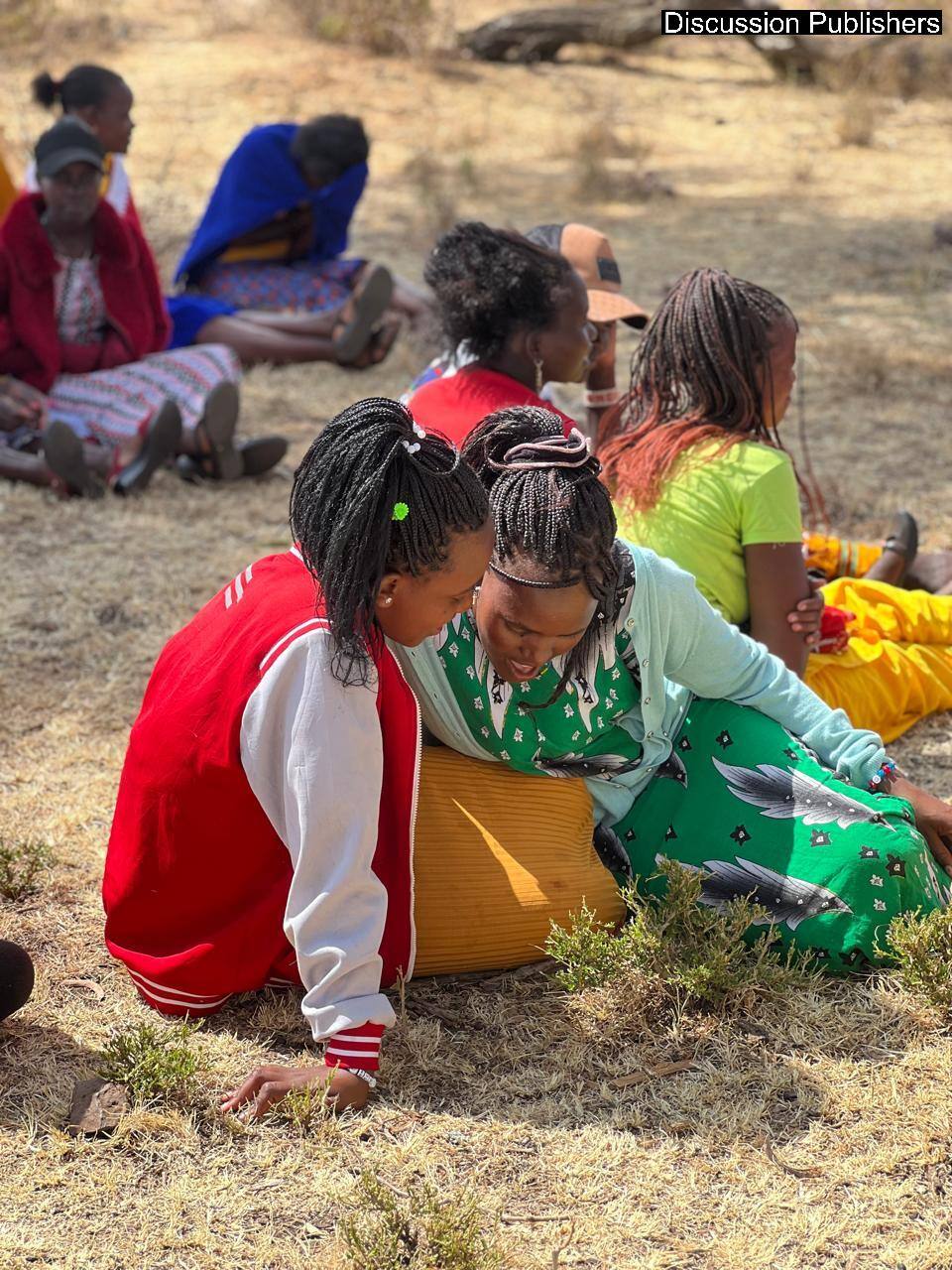
UTU Heritage Community Partnerships Development Agency (UHCPDA) is a Kenyan registered agency with a goal of protecting and preserving rich and unique African cultural heritage. Furthermore, the agency aspires to diversify indigenous livelihoods while championing environmental and biodiversity conservation among communities of interest in Kenya.
The agency works through the African UTU philosophy of oneness and mutual relationships — thus co-creation and collaboration with indigenous communities sits at the centre of activity implementation.
Vision
To empower communities of interest to preserve, protect, and promote Kenya's unique cultural heritage for present and future generations.
Mission
To document what is disappearing, strengthen systems already preserving it, and build the community systems needed to keep Kenya's heritage accessible, relevant, and protected for generations to come.
Our promise
We will document what is disappearing, strengthen the capacity of communities of interest that are preserving it, and build the community systems needed to ensure Kenya's cultural heritage remains accessible, relevant, and protected for generations to come.
Our principles
I am because you are.
UHCPDA promotes the UTU philosophy of oneness and mutual relationships. These are the principles that govern every partnership we enter.
The problem
Five urgent gaps we exist to close.
Heritage erosion
Neglected Mau Mau sites, colonial-era archives and Indigenous memory undermine Kenya's ability to honour its past and perpetuate narratives that exclude African resilience.
Cultural marginalisation
Endangered languages — Elmolo, Rendille, Sengwer, Bajuni, Mukogodo Maasai — signal a deeper collapse that disconnects youth from elders.
Environmental degradation
Deforestation, plastic and electronic waste and climate change threaten the very cultural landscapes that once sheltered freedom fighters.
Economic exclusion
Communities that guard heritage sites remain locked out of tourism income while outsiders profit and local youth face unemployment.
Accountability gap
Without verifiable metrics, community reforestation, recycling and preservation work stays invisible to funders and policymakers.
Communities of focus
Custodians across forests, drylands, coasts and cities.
Mau Mau descendants and liberation memory keepers
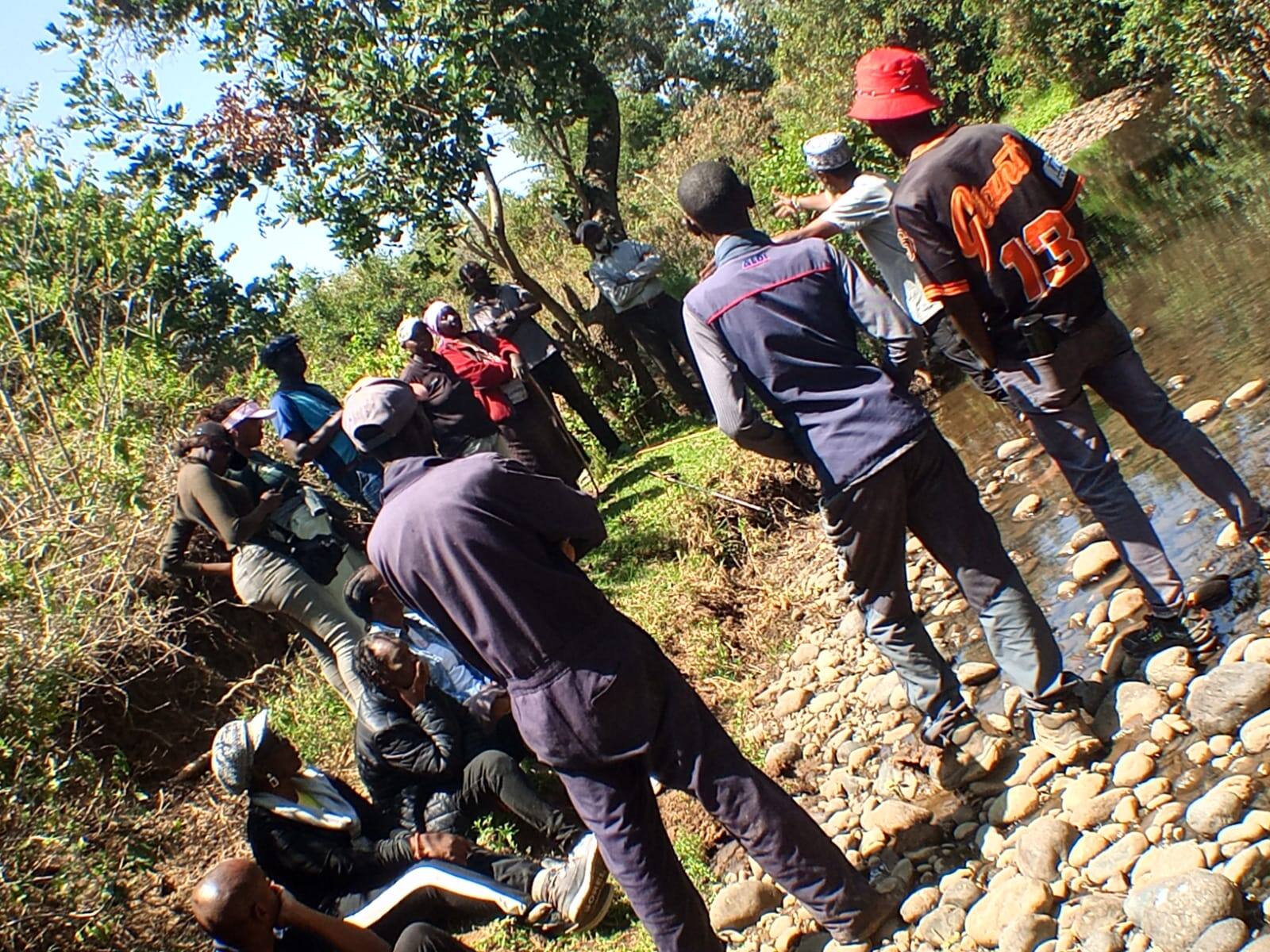
Forest-dependent and Indigenous communities in the Aberdares and Mt Kenya
Pastoralist communities facing shrinking habitats and climate stress
Swahili, Mijikenda and Bajuni coastal heritage communities
Speakers of endangered languages including Elmolo, Sengwer, Awer and Rendille
Urban Gen Z and diaspora communities as global heritage ambassadors