Six programme areas joining culture, environment, care and livelihoods.
UHCPDA works through the African Utu philosophy of oneness and mutual relationships — co-creation and collaboration with indigenous communities sits at the centre of every activity.
Programme areas
UHCPDA has six programmatic areas.
Utu Culture and Heritage
Protecting and preserving Kenya's unique cultural heritage for present and future generations.
- Strengthen capacity of indigenous cultural groups
- Restore and rehabilitate historical sites
- Organise cultural festivals and events
- Revive disappearing indigenous languages
- Support cultural exchange programmes
- Strengthen cultural museums
- Cultural education in schools
- Intergenerational forums
- Create digital heritage registers (photos, letters, folklore, oral records)
Utu Sanctuaries and Expeditions
Promoting tourism and expeditions by establishing and strengthening local cultural centres as sanctuaries for food security and spirituality.
- Establish and repurpose existing hotels as sanctuaries
- Promote eco-tourism
- Digital cultural and eco-tourism maps
- Establish nature trails within sanctuaries
- Promote homestay tourism
Utu na Mazingira
Championing environmental conservation, waste processing and value addition.
- Planting of indigenous trees
- Strengthen capacity of environmental groups
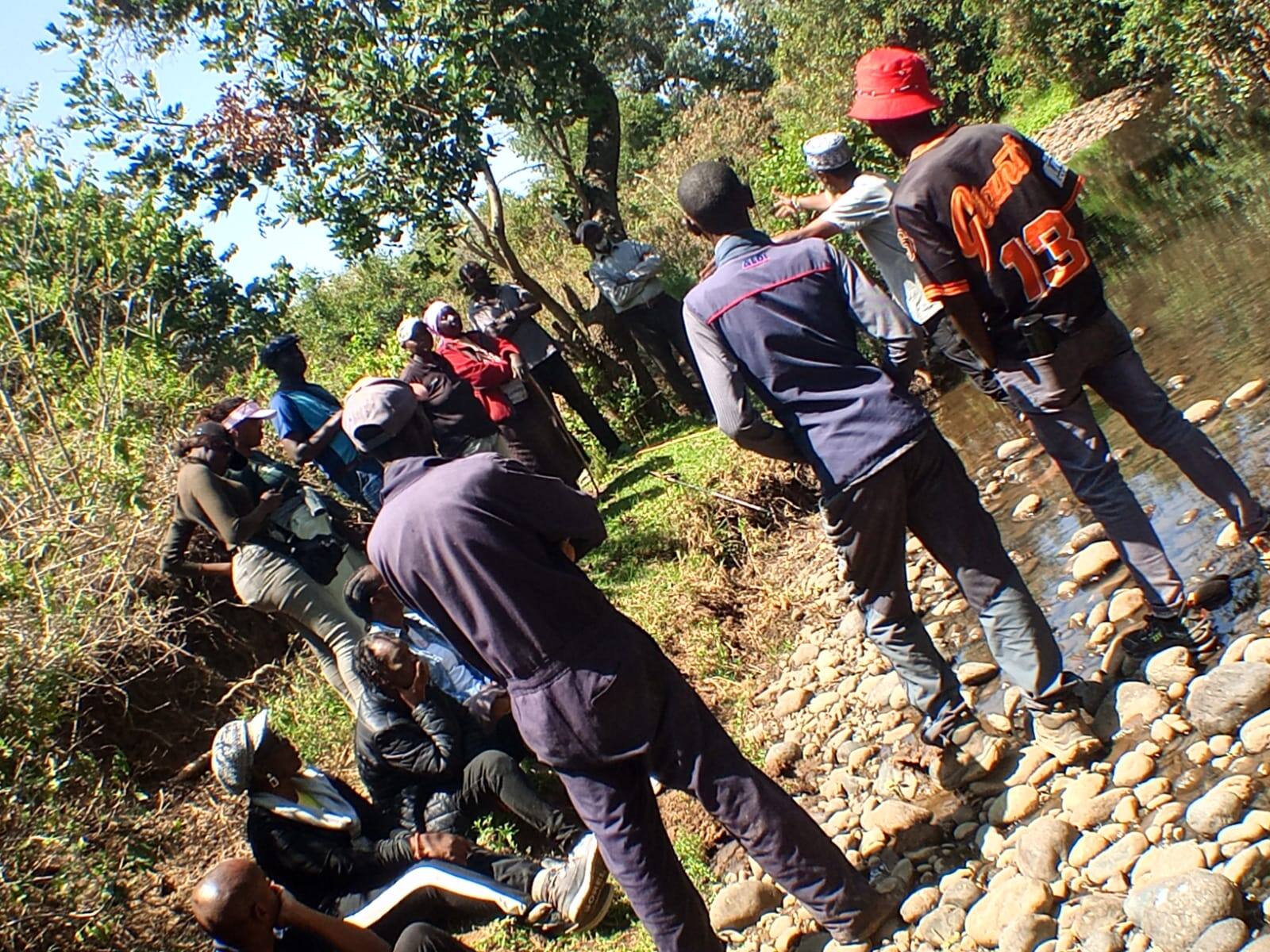
- Restore rivers and degraded lands
- Celebrate environmental days
- Carbon tracking
Utu Social Care
Caring for vulnerable and needy members of the community — special-need children, orphans, the homeless and the sick.
- Establish and strengthen children's homes for special children
- Pay hospital bills for the needy and sickly
- Reunite lost families
- Pay school fees for vulnerable children
- Promote culture and art in schools
- Develop skills of young people
Utu Kilimo
Enhancing livelihood diversification and food security through investment in sustainable crop and livestock production.
- Promote agro-ecology in livestock and crop production
- Promote adoption of Climate Smart Agriculture practices
- Strengthen organic farming of indigenous crops
- Promote urban farming in schools and other institutions
- Strengthen honey production and value addition in Utu sanctuaries and forest-dwelling communities
Utu Sanaa
Promoting cultural expression through art across heritage sites, excursions, expeditions, digital content and sanctuaries to improve visitor experience.
- Rock art
- Building designs
- Cultural music
- Drama
- Art exhibitions
- Artefacts
- Museums
Community programmes
Utu Care, Utu Rescue and Utu na Mazingira
Heritage is not an abstraction when a household cannot pay a hospital bill, when a child is sleeping on the street, or when the last trees around a spring come down. These three programmes are how Utu Heritage answers in the present tense.
Standing with households when illness arrives
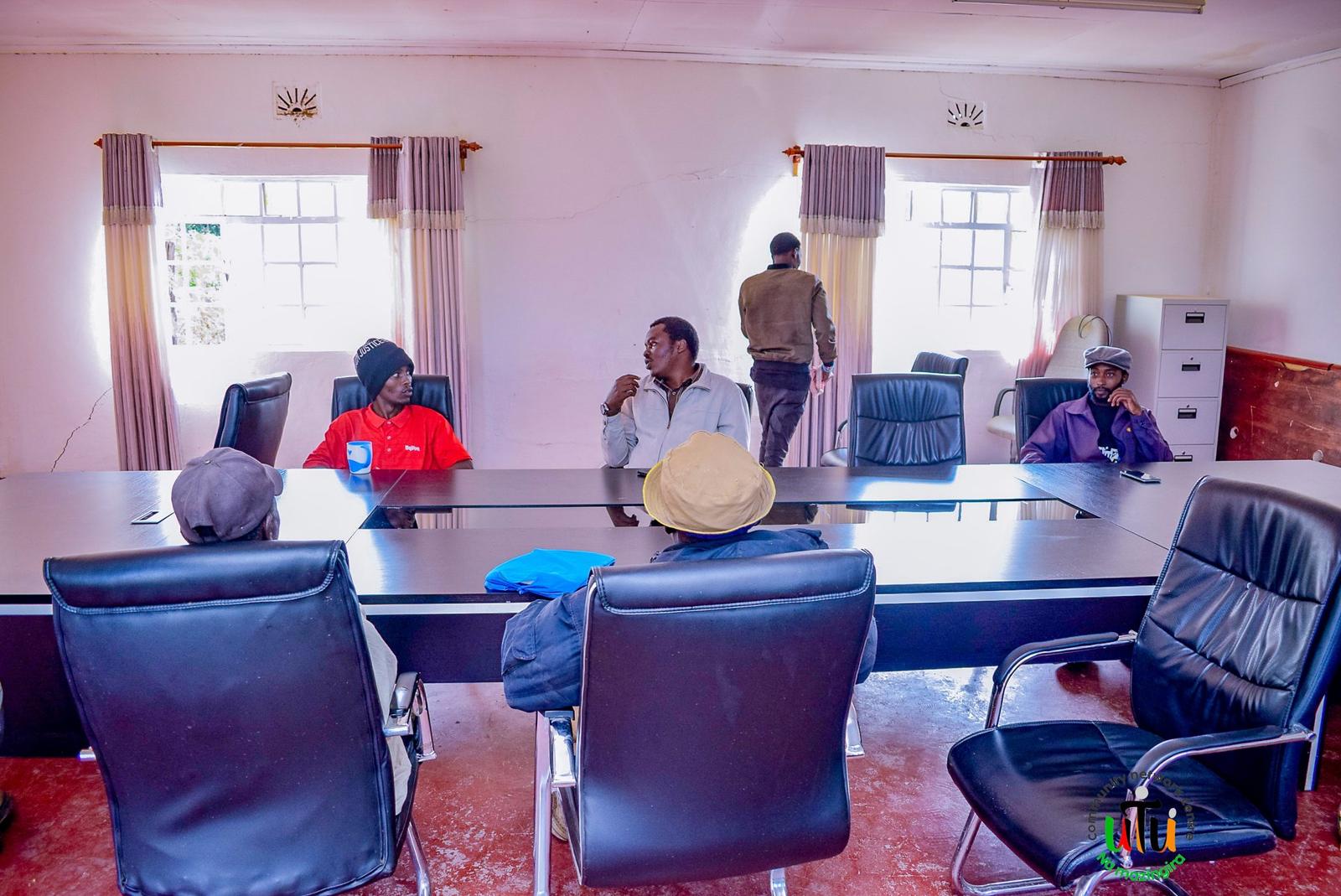
Utu Care is the agency's direct humanitarian arm. It supports members of the public facing medical bills they cannot carry — hospital arrears, medication, diagnostic tests, mobility aids and referral transport — through community fundraising, partner networks and direct assistance.
Cases are assessed by the Utu Care desk with the applicant's own documents: a hospital bill or prescription, a short account of the situation, and, where possible, a referral from a local administrator, clinic or place of worship. Support is confidential and never conditional on faith, ethnicity or politics.
- Medical bill and medication support
- Referral and transport assistance to hospital
- Linking families to partner clinics and welfare networks
- Community fundraising for critical cases
Apply through the form below, or call the Utu Care desk directly. Bring or attach the hospital bill, prescription or diagnosis and a contact number we can reach.
Getting people off the street and back into belonging
Utu Rescue responds to street children, destitute adults, and people in immediate crisis. The programme runs outreach, emergency response, temporary placement with partner homes and shelters, family tracing and reintegration, and follow-up so a rescue does not collapse within a month.
Reintegration is the measure of success, not removal. Every case is worked with the county children's office and partner institutions where a child is involved, and with the person's own consent where an adult is involved. Rescue without a plan for what comes next is simply relocation.
- Street outreach and emergency response
- Temporary placement with vetted partner homes
- Family tracing, reunification and school re-entry support
- Counselling, rehabilitation referral and follow-up visits
To report a case, call the rescue line immediately — a phone call is faster than a form for anyone in danger. Non-urgent referrals can be submitted below.
Humanity and the environment, treated as one problem
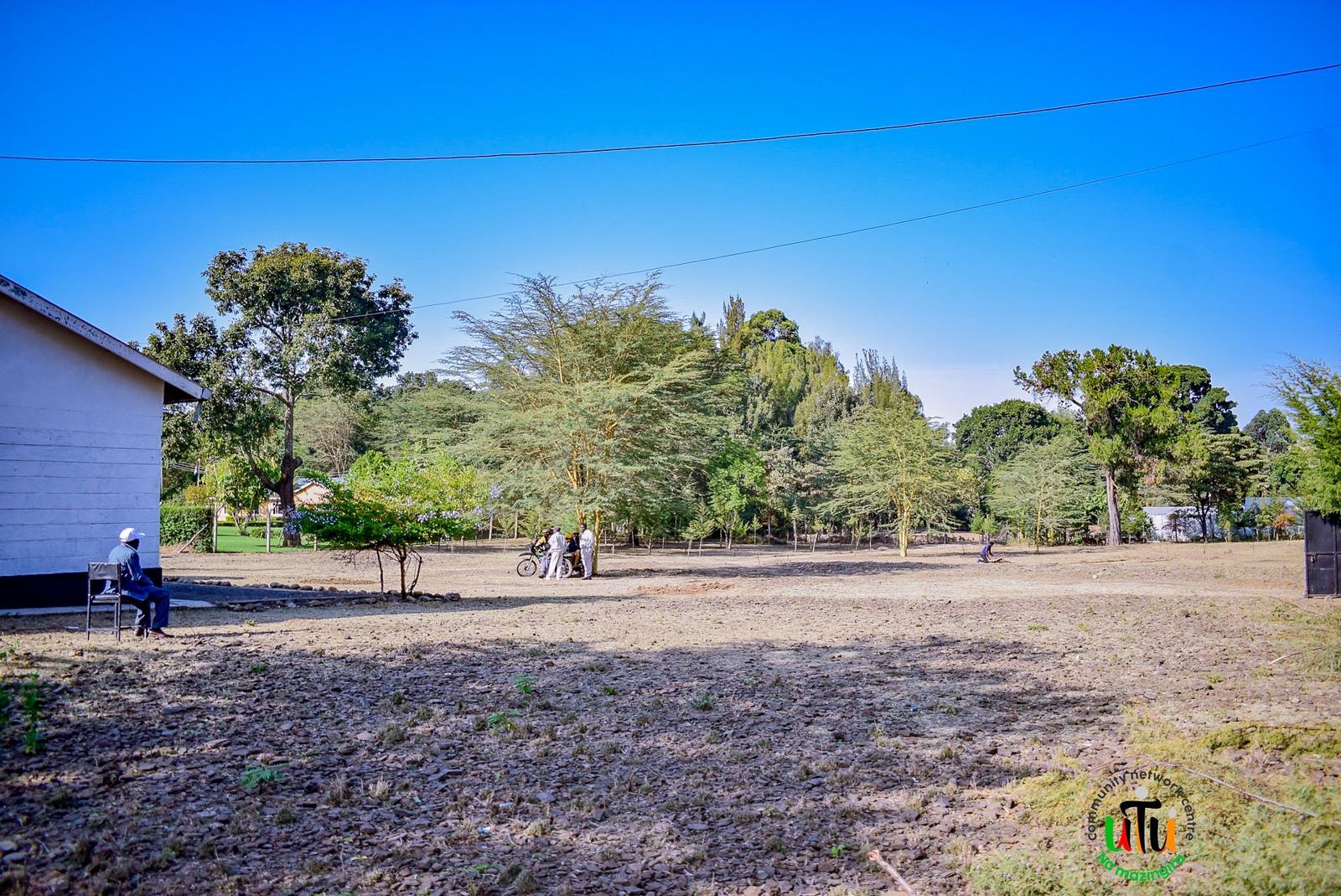
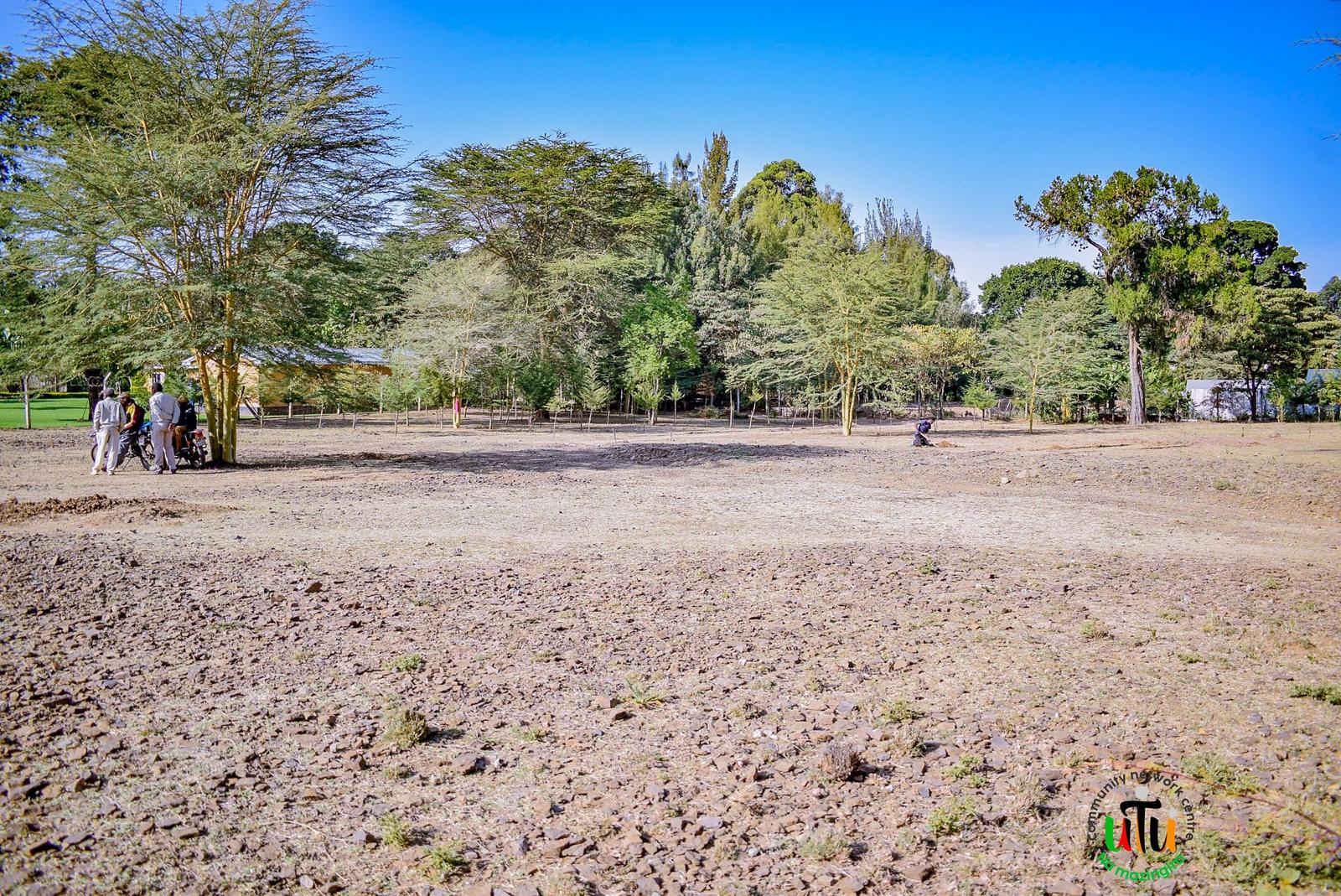
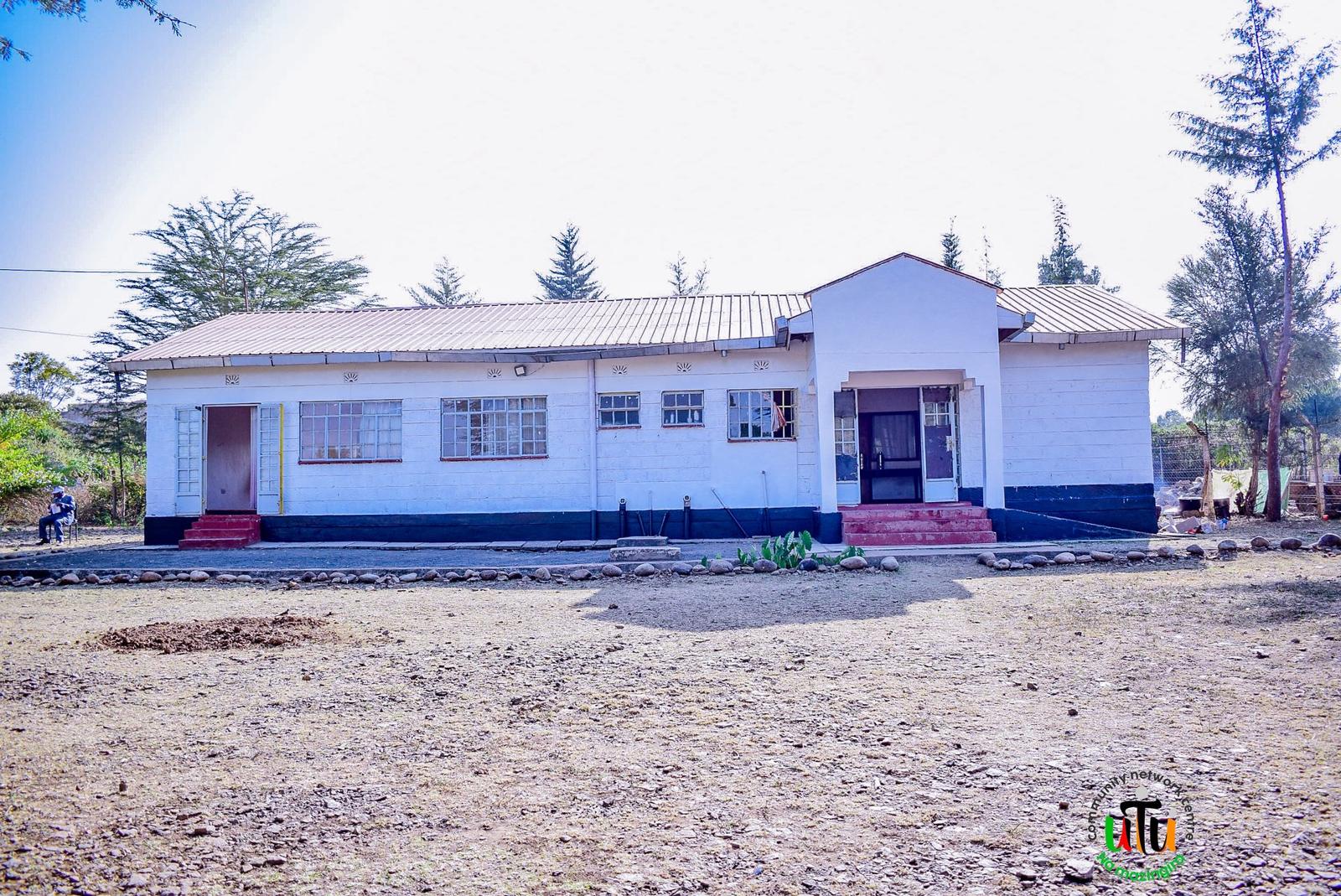
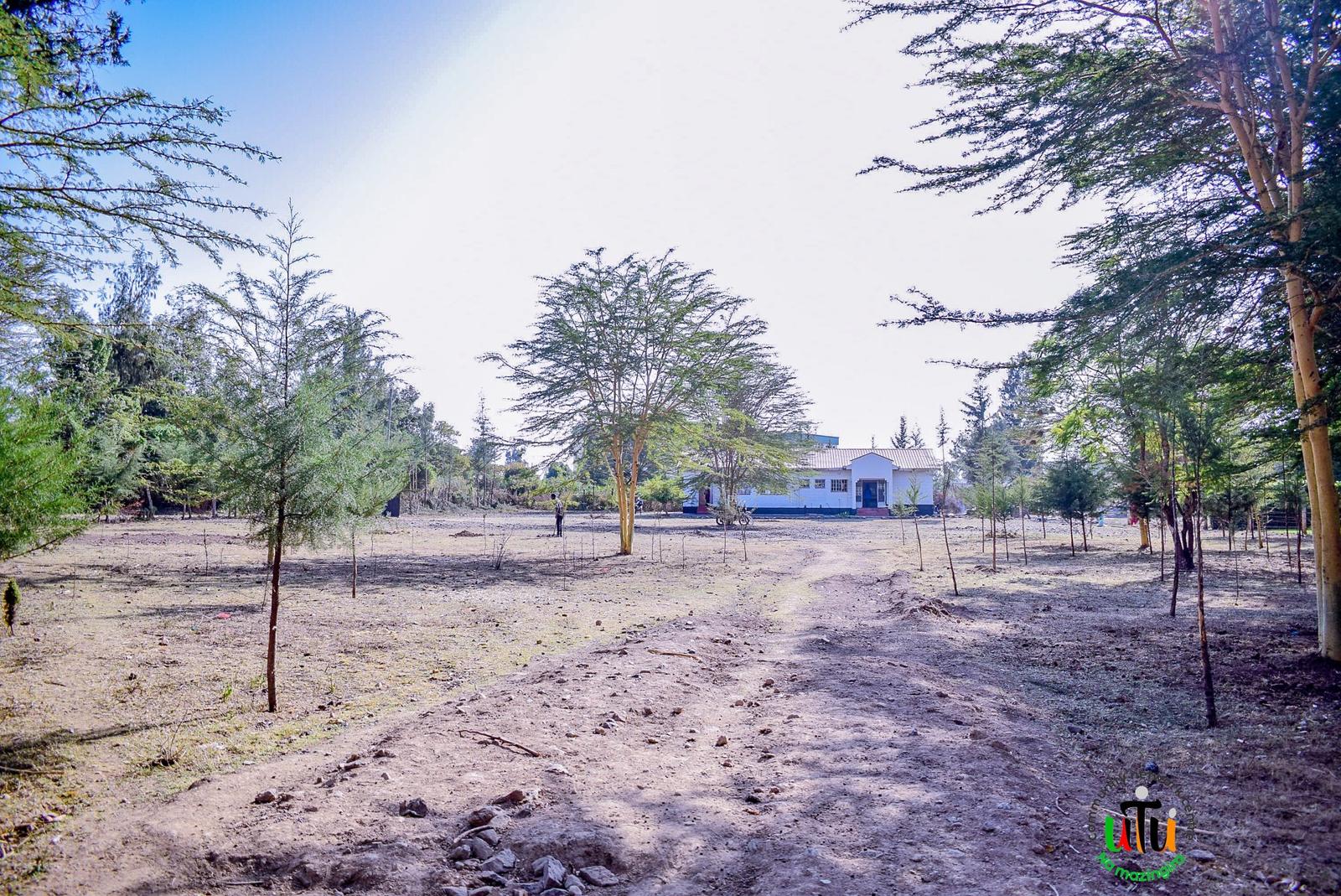
Utu na Mazingira is the agency's environmental initiative, launched on Utu Heritage's own grounds — bare, sun-hardened land chosen as the first restoration site so the programme can show its work before asking anyone else to do it.
The initiative runs indigenous tree planting and nurseries, water-source and riverbank protection, school environment clubs, waste recycling and briquette-making, and Community Forest Association support. Every tree planted is mapped, counted and monitored for three years, and the record is published.
It is deliberately wired into the rest of the agency: Utu Kilimo provides agronomy and seedlings, heritage documentation records the sacred sites and springs being protected, and African Heritage News keeps the evidence dated and public.
- Indigenous tree planting and community nurseries
- School environment clubs and youth green training
- Water-source, spring and riverbank protection
- Recycling, briquette-making and green enterprise support
- Community Forest Association registration and support
Schools, groups and institutions can request a planting or training partnership below. Volunteers are welcome at every planting day.

John Maigua
Coordinator, Utu na Mazingira
Implementation
From registration to global release.
Phase 1
Months 1–3
Register the agency, establish governance, recruit staff, baseline mapping of heritage and environmental assets, and the first intergenerational reflections.
Phase 2
Months 4–8
Heritage site mapping, archival equipment, Eco Tracker customisation, and documentary pilot filming.
Phase 3
Months 9–12
Launch the Heritage Circuit with signage and community festivals. Host the first Utu Arts & Heritage Festival and pilot the Eco Tracker.
Phase 4
Months 12–18
Train youth in recycling, establish eco-innovation hubs, formally register CFAs, and strengthen international partnerships.
Phase 5
Months 18–24
Release the documentary, scale Eco Tracker deployment, host international advocacy events and complete final evaluation.
Expected outcomes
By the end of 24 months
- Heritage sites mapped, documented and protected with community custodianship agreements.
- A functioning heritage and green tourism circuit generating local livelihoods.
- Community Forest Associations registered and running reforestation and recycling.
- Three endangered languages revitalised through education, festivals and digital archiving.
- Verified sustainability data from GreenTrace.io strengthening donor confidence and advocacy.
- A documentary distributed regionally and globally, amplifying Kenya's heritage stories.
Sustainability
Four pillars beyond the grant
Environmental
Long-term reforestation and recycling, with income from carbon credits and eco-tourism sustaining motivation.
Technological
GreenTrace.io provides ongoing climate accountability and data verification.
Social
Custodianship vested in communities and youth groups so ownership outlasts donor cycles.
Economic
Heritage tourism, festivals and eco-enterprises building diversified local revenue.
Aligned with the SDGs