
The river that stopped coming back: Murangai River and the flower farms
· Murangai River, Nanyuki
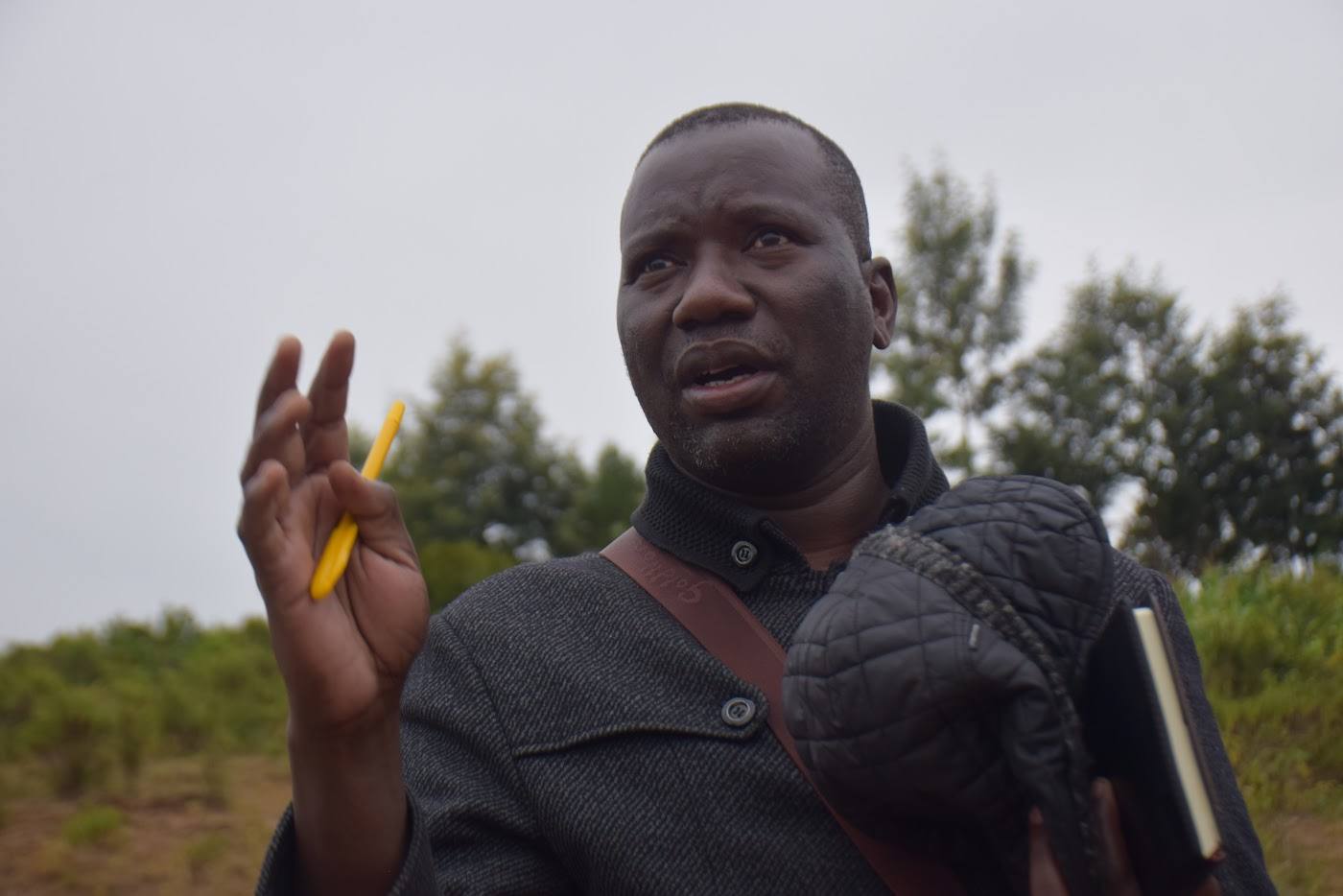
Murangai River was seasonal — it left and it returned. Communities around Porini Sanctuary told our team it now mostly stays away, and they point upstream to the flower farms.
A seasonal river is not a broken river. Generations around Porini planned their year around Murangai River's rhythm: when it filled, livestock moved close; when it thinned, families used springs and shallow wells and waited. That waiting was survivable because the return was certain.
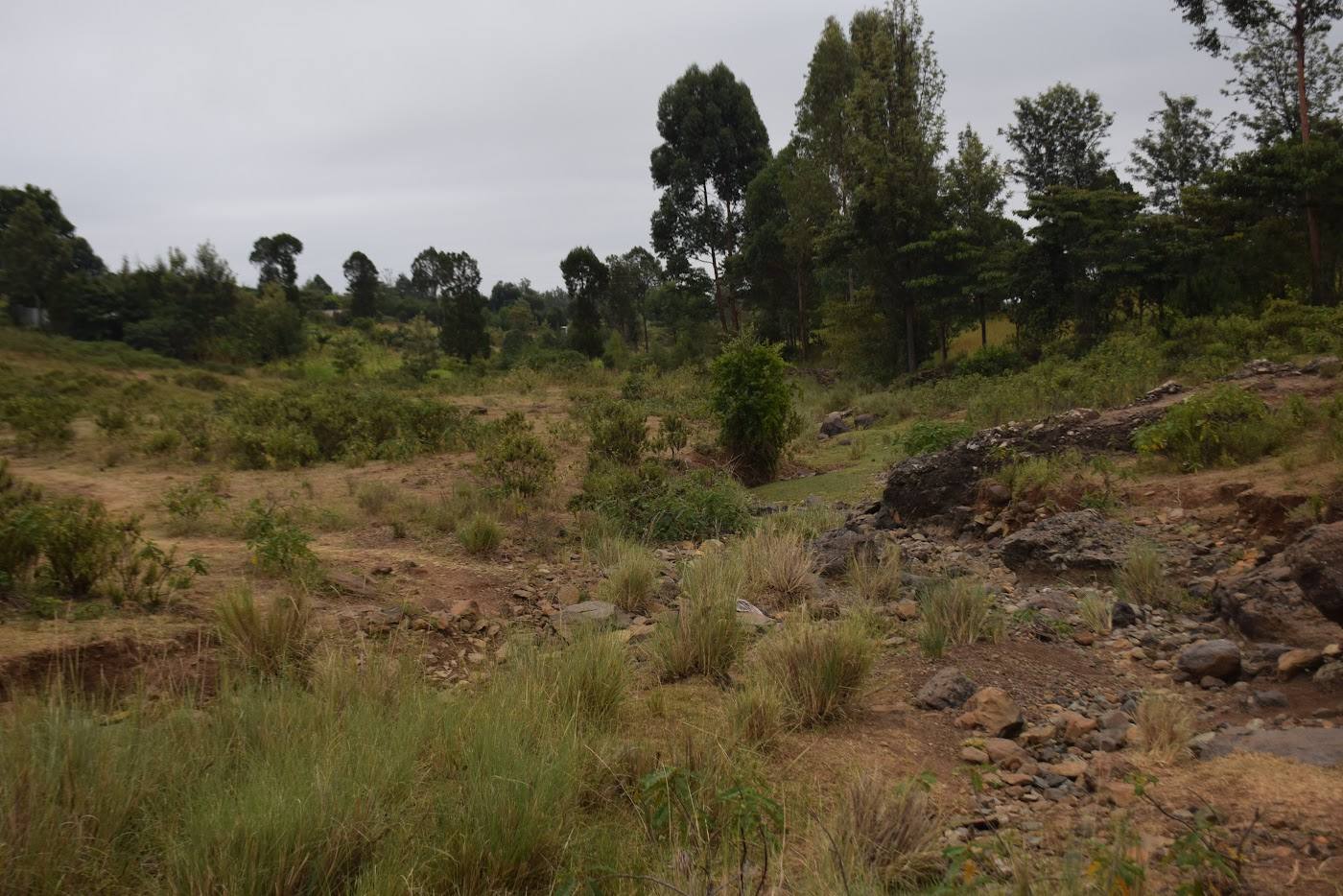
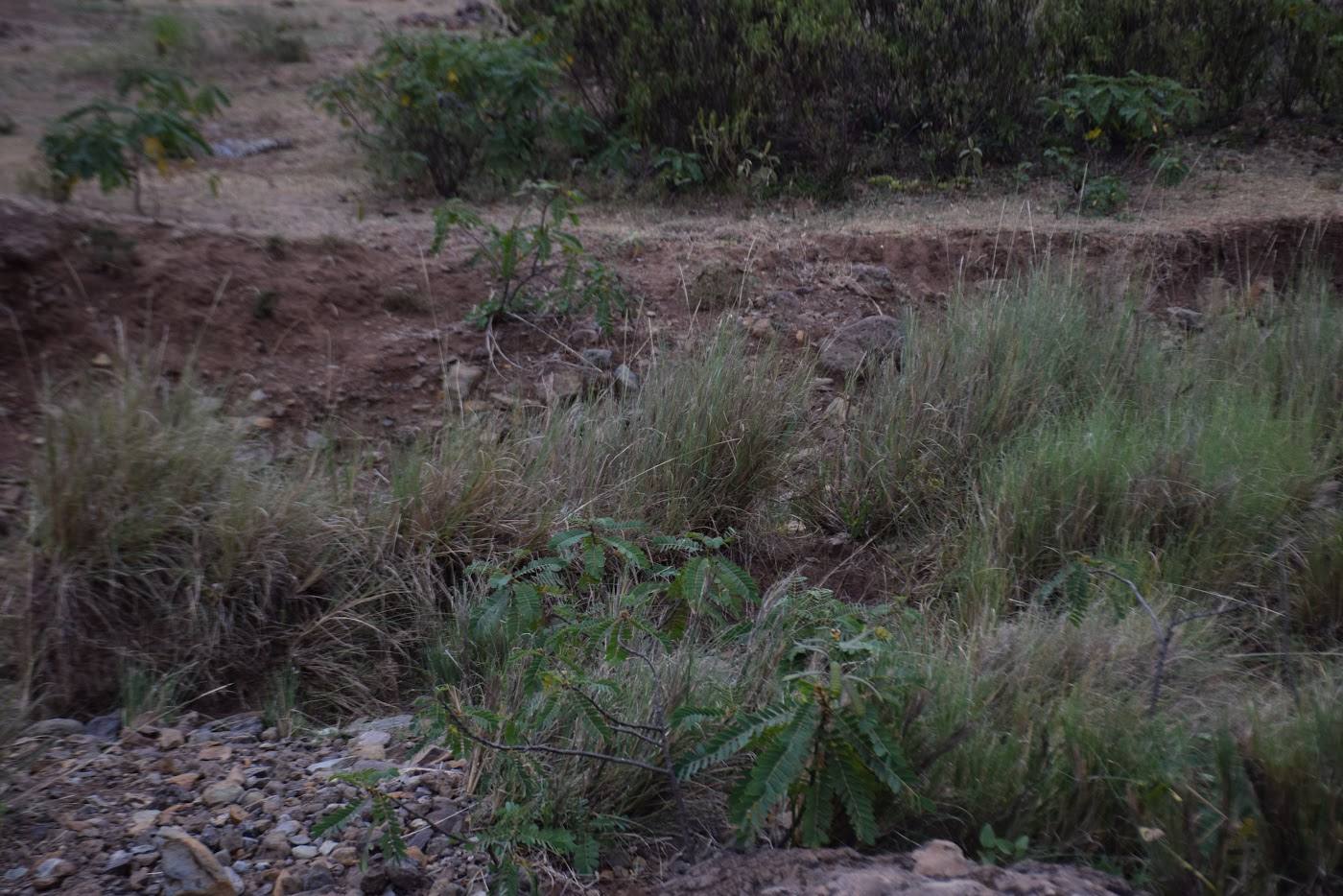
The certainty has gone. Where water once pooled, the team walked over dry stone and dust-hardened banks colonised by shrub. Residents describe a river whose flow is now intercepted long before it reaches them, abstracted for irrigation by the commercial flower farms that dominate the Nanyuki–Timau corridor.
The consequences stack up. Women and girls walk further for domestic water. Livestock concentrate around the few remaining points, degrading them. Riverine trees die back, taking bird and bee habitat with them — a direct hit on the honey economies that many households depend on.
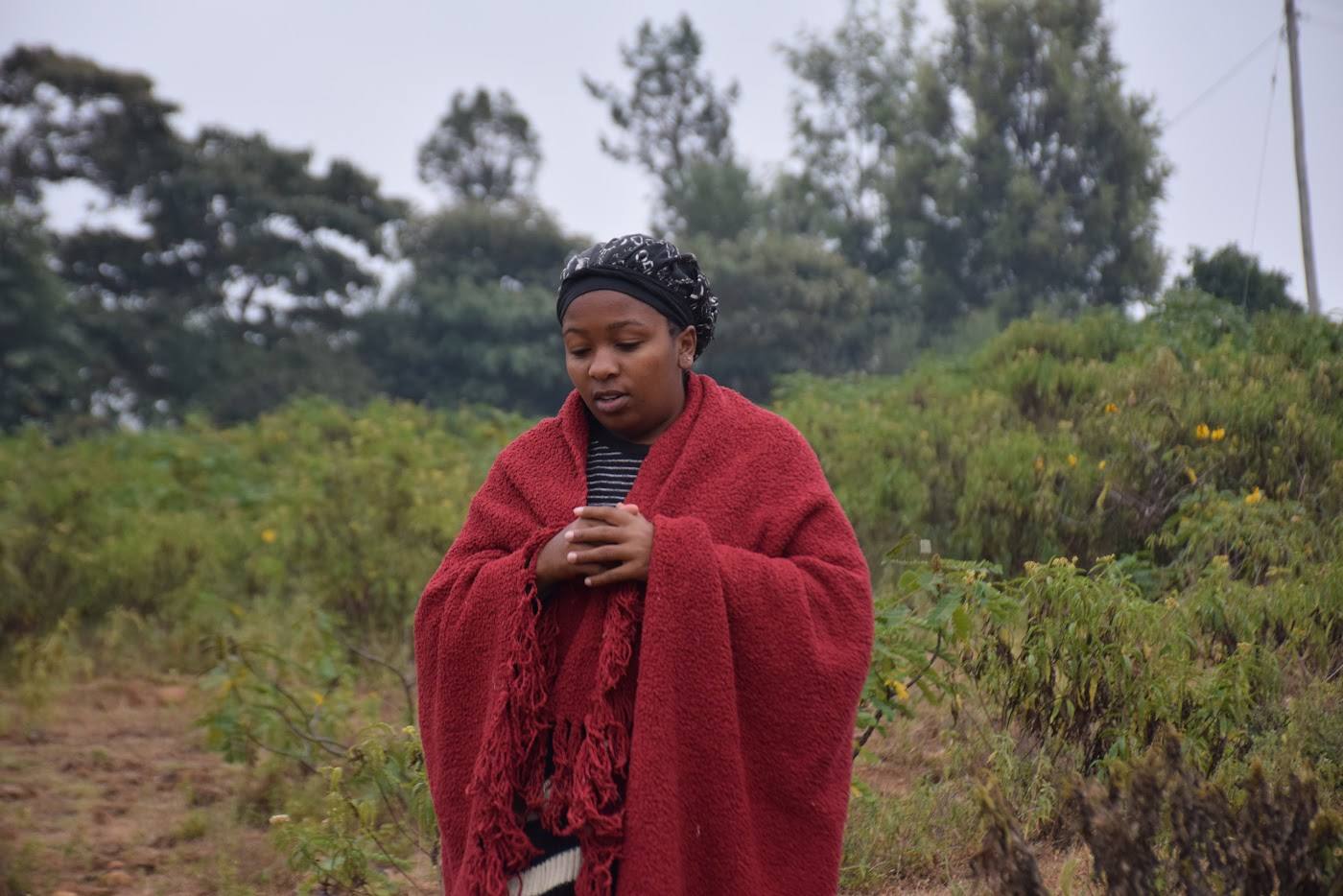
There is a heritage loss inside the ecological one. Sites tied to the river — crossing points, initiation grounds, places where disputes were settled and blessings given — become abstract when there is no water to gather at. Elders told us that children now know the names of places they have never seen full.
Utu Heritage is documenting the river's decline as evidence, not lament: dated photographs, elder testimony on historic flow, and mapped abstraction points. Combined with community forest and water-user association organising, that record is what turns a complaint into a claim.
“It was seasonal, yes. But it always came back. Now we wait and it does not come.”
Coverage of Utu Heritage stories by African Heritage News (ahnews.co.ke), an arm of Discussion Publishers (discussionpublishers.com), who also sponsor this documentation work.
From the same field visit
More stories
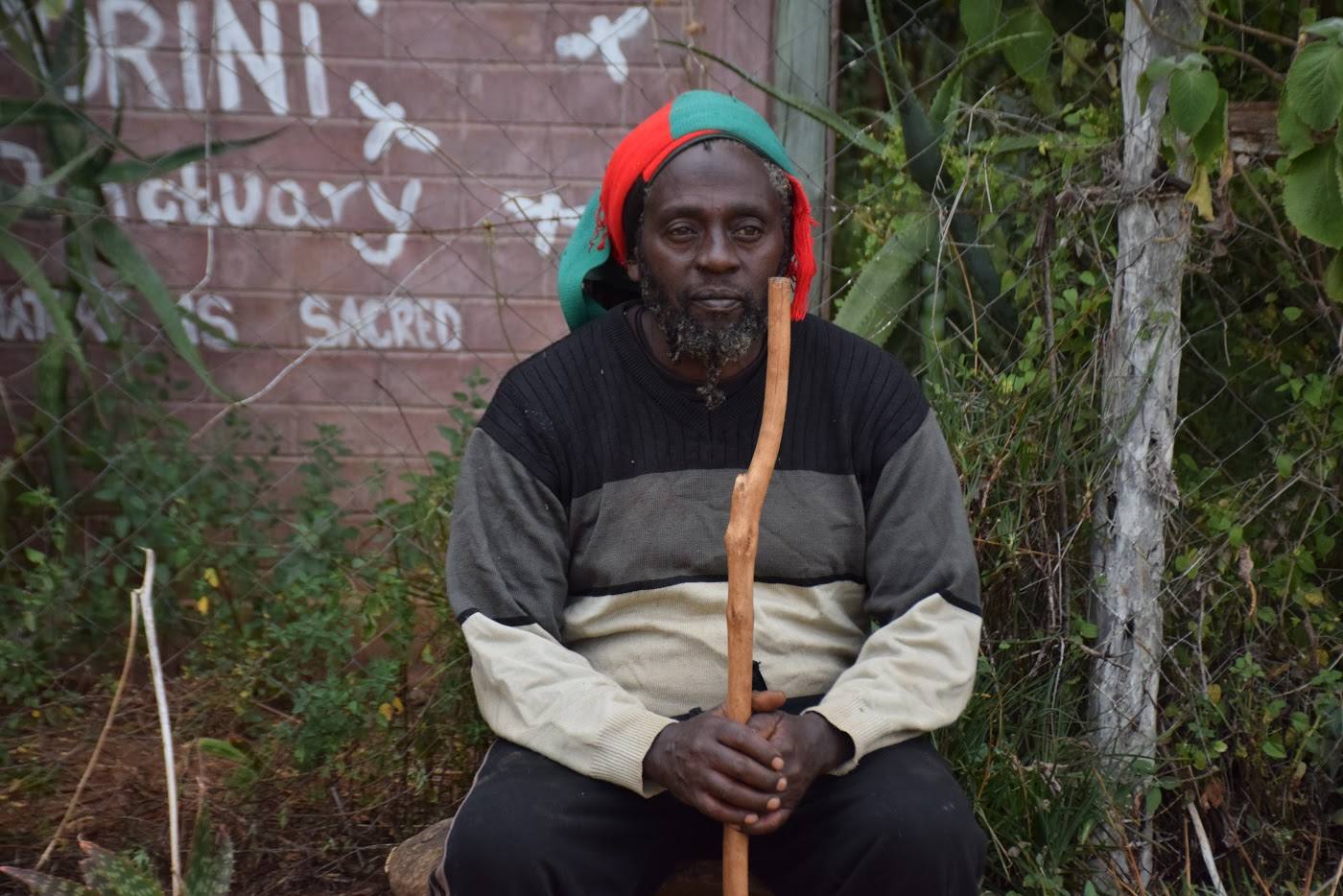
Inside Porini Sanctuary: the land people still call sacred
Porini Sanctuary, Murangai, Nanyuki
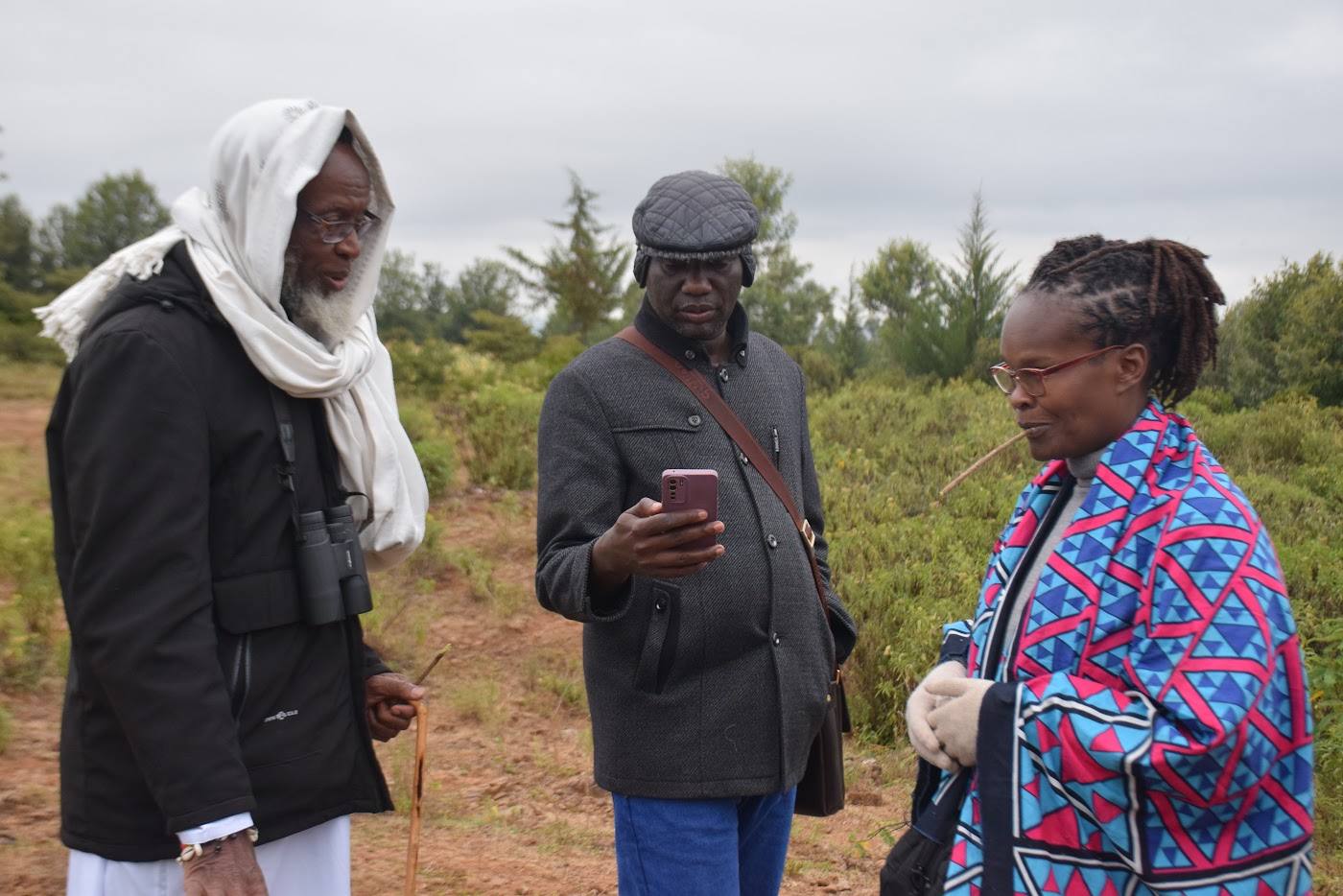
Elders, researchers and youth read one landscape at Porini
Porini Sanctuary, Nanyuki
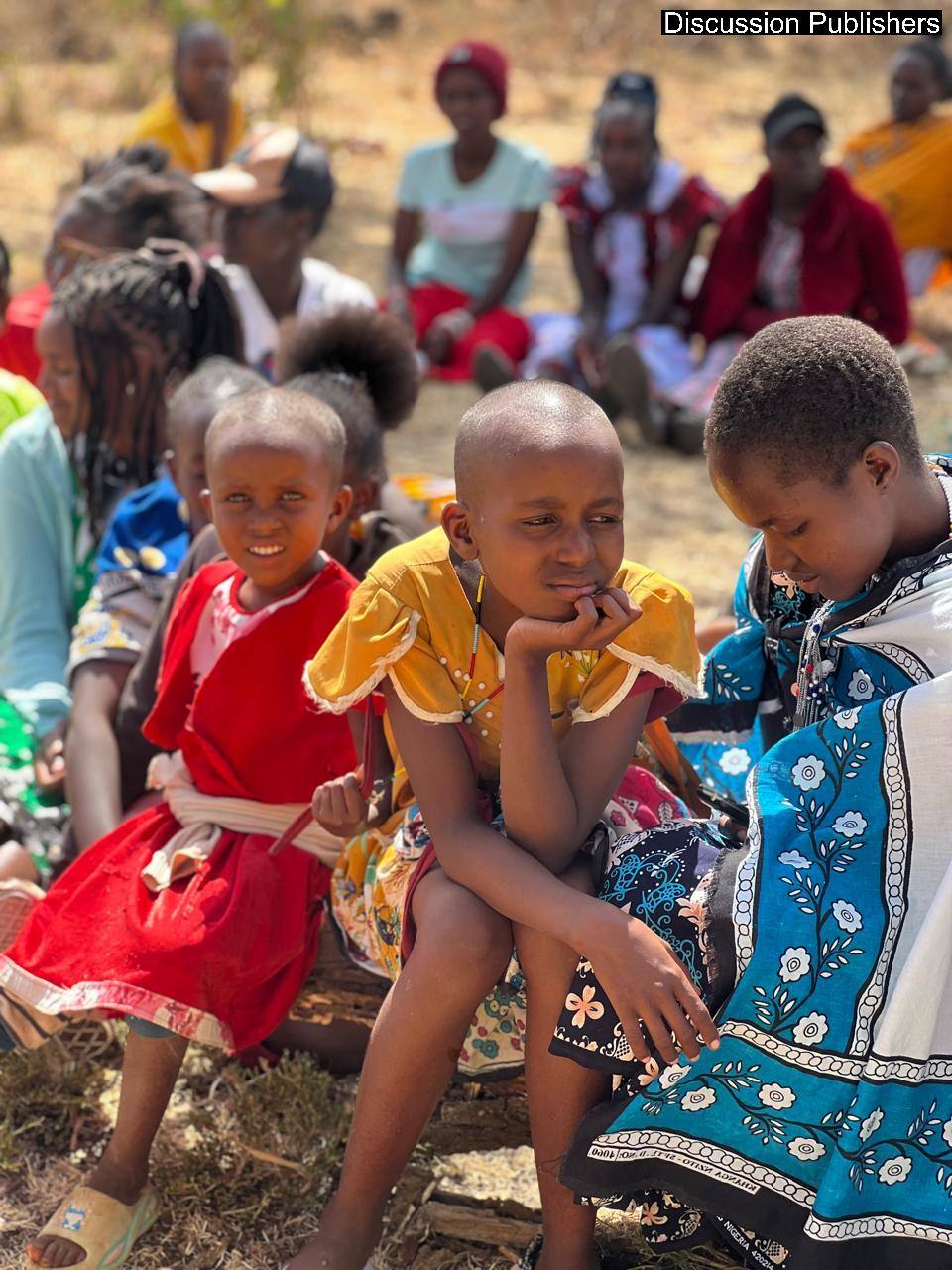
Meeting the Yaaku of Mukogodo Forest, a people the map forgot
Sieku, Dol Dol, Mukogodo Forest, Laikipia