Elders, researchers and youth read one landscape at Porini
· Porini Sanctuary, Nanyuki
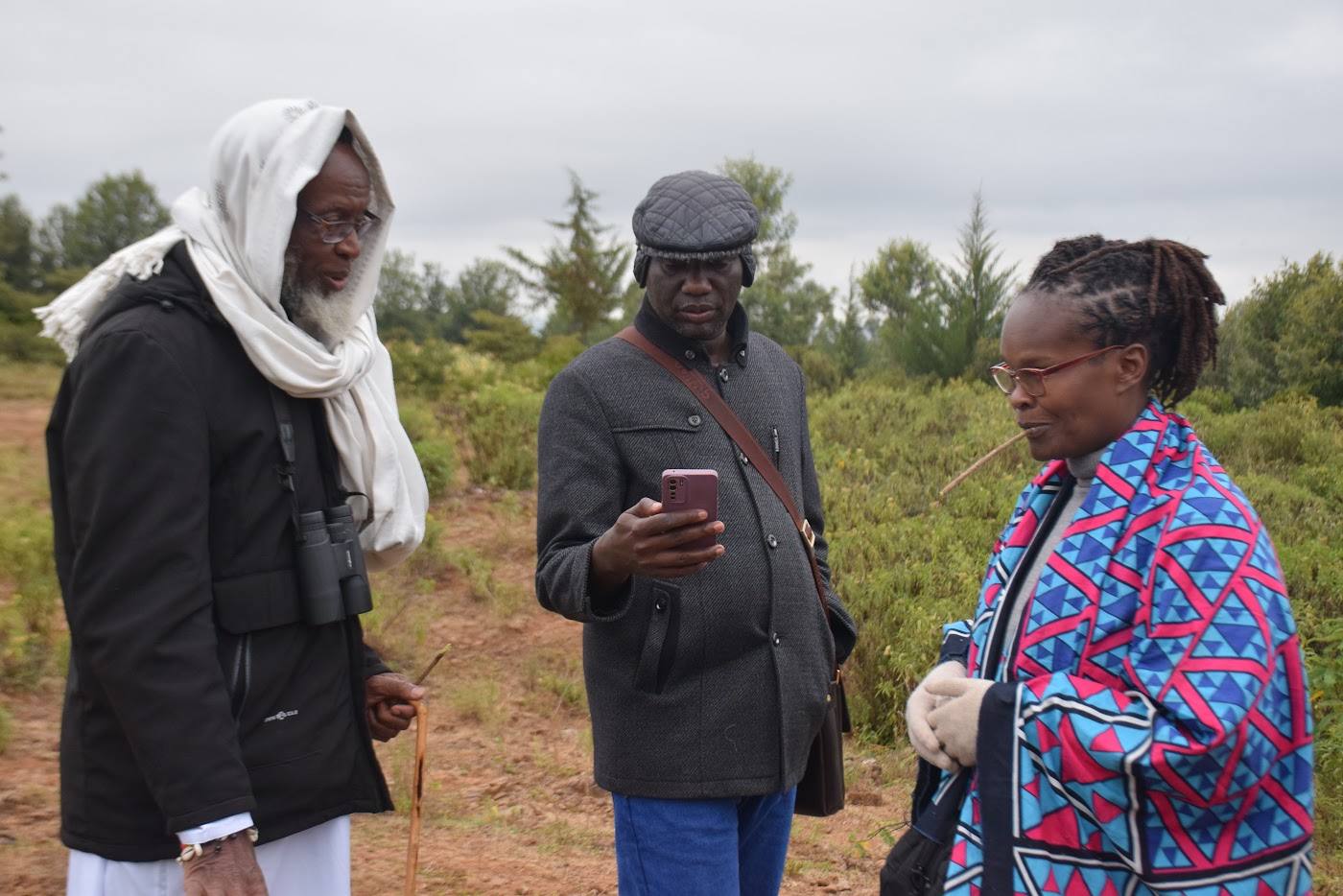
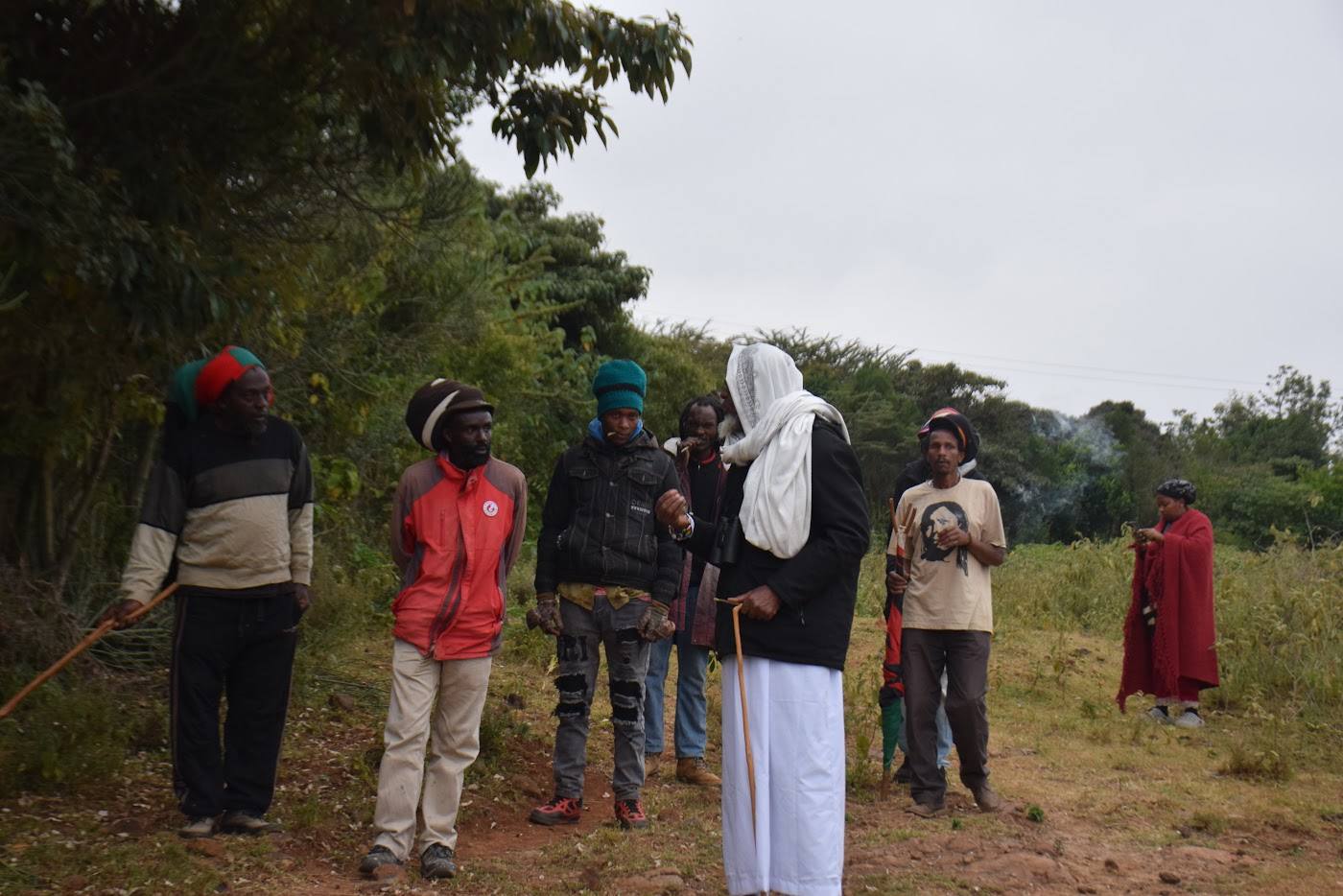
Three kinds of knowledge walked Porini together — elder memory, community research and young digital documenters. The point of the day was to make them one method.
Heritage documentation fails when it extracts. A researcher arrives, records, leaves, and publishes somewhere the community will never read. Utu Heritage builds the opposite arrangement: elders hold authority over meaning, young people hold the tools, and researchers hold the discipline of evidence.
At Porini this worked in practice. Elders named sites and set boundaries on what could be photographed. Youth volunteers captured images, coordinates and audio. Researchers cross-checked oral accounts of past river flow and vegetation against what was visible on the ground.
By afternoon the group had a shared inventory: sacred and restricted sites, water points active and lost, indigenous tree stands worth protecting, and pressure points where cultivation and fencing are advancing into the sanctuary.
The training payoff matters as much as the data. Four young people from the area left able to run a documentation session themselves — consent, framing, metadata, storage. Heritage protected by outsiders is fragile; heritage documented by the people who live in it compounds.
Coverage of Utu Heritage stories by African Heritage News (ahnews.co.ke), an arm of Discussion Publishers (discussionpublishers.com), who also sponsor this documentation work.
From the same field visit
More stories
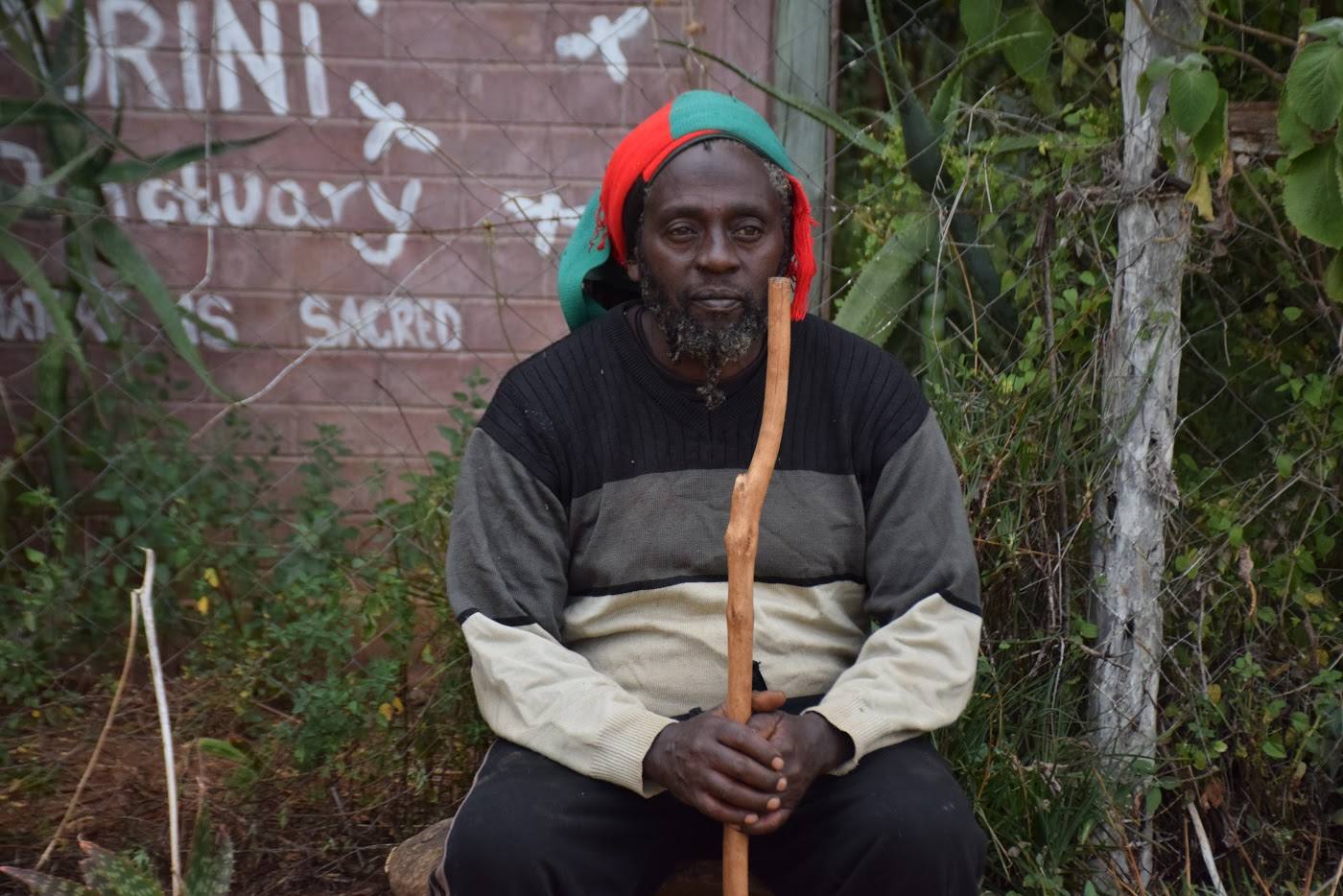
Inside Porini Sanctuary: the land people still call sacred
Porini Sanctuary, Murangai, Nanyuki
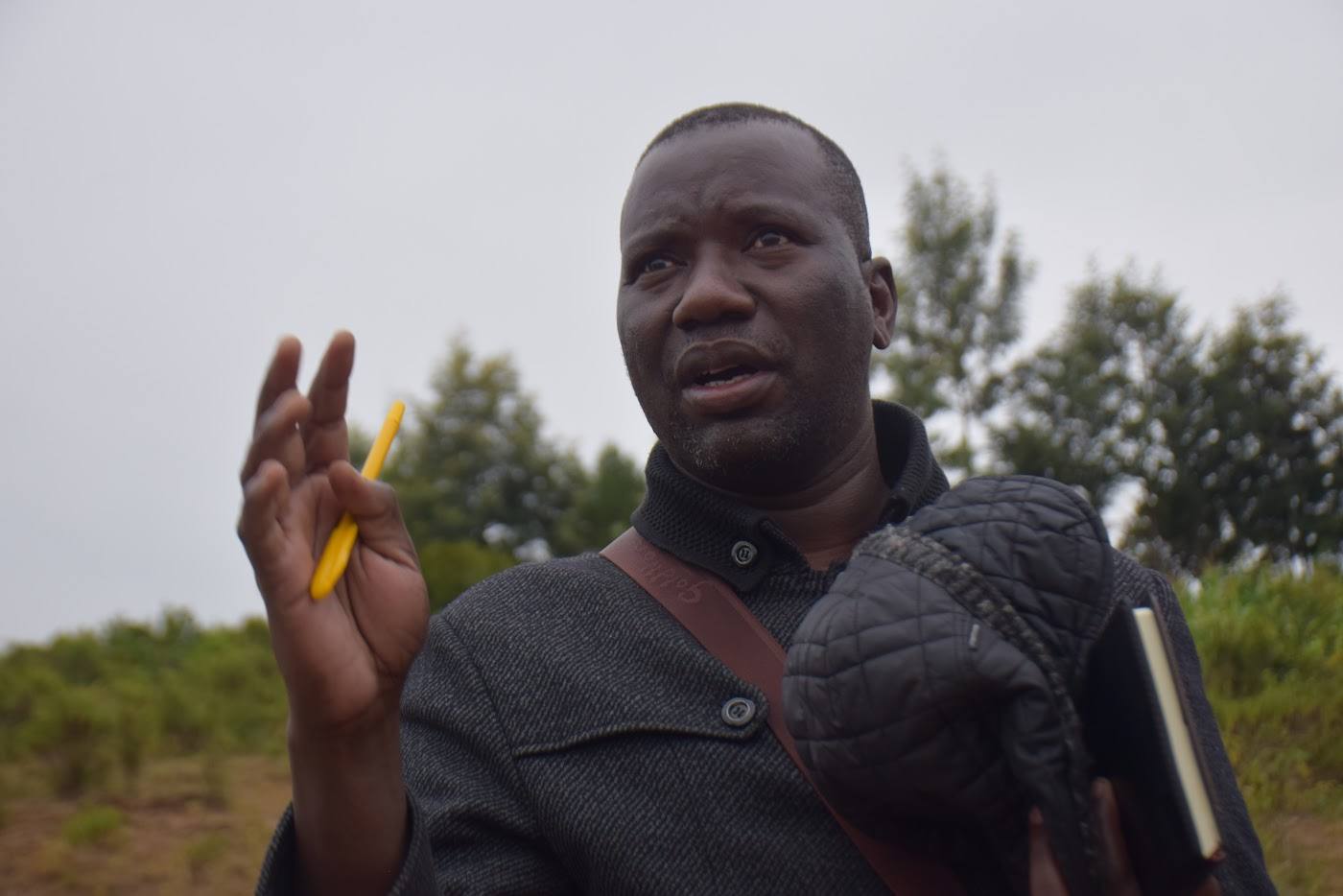
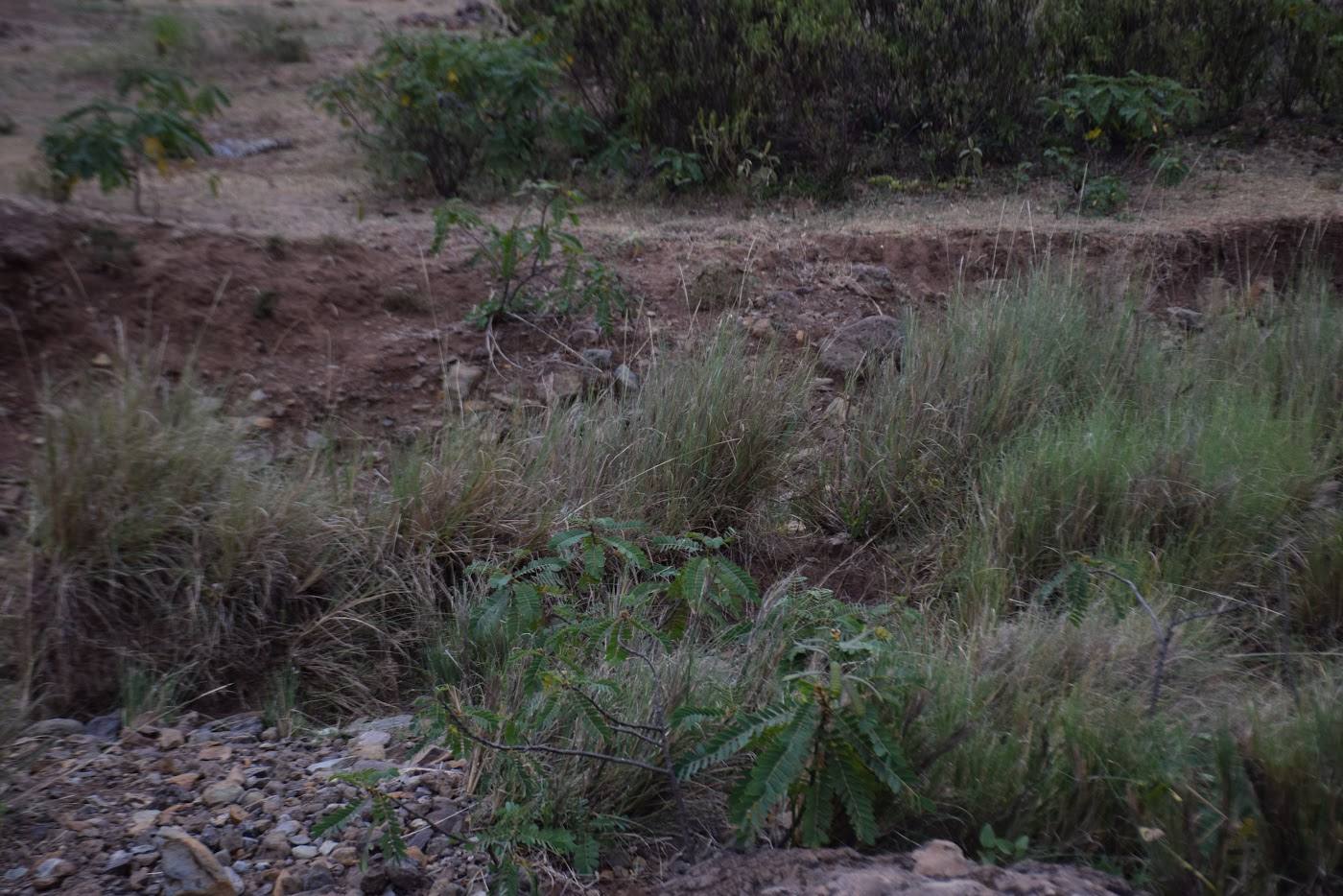
The river that stopped coming back: Murangai River and the flower farms
Murangai River, Nanyuki
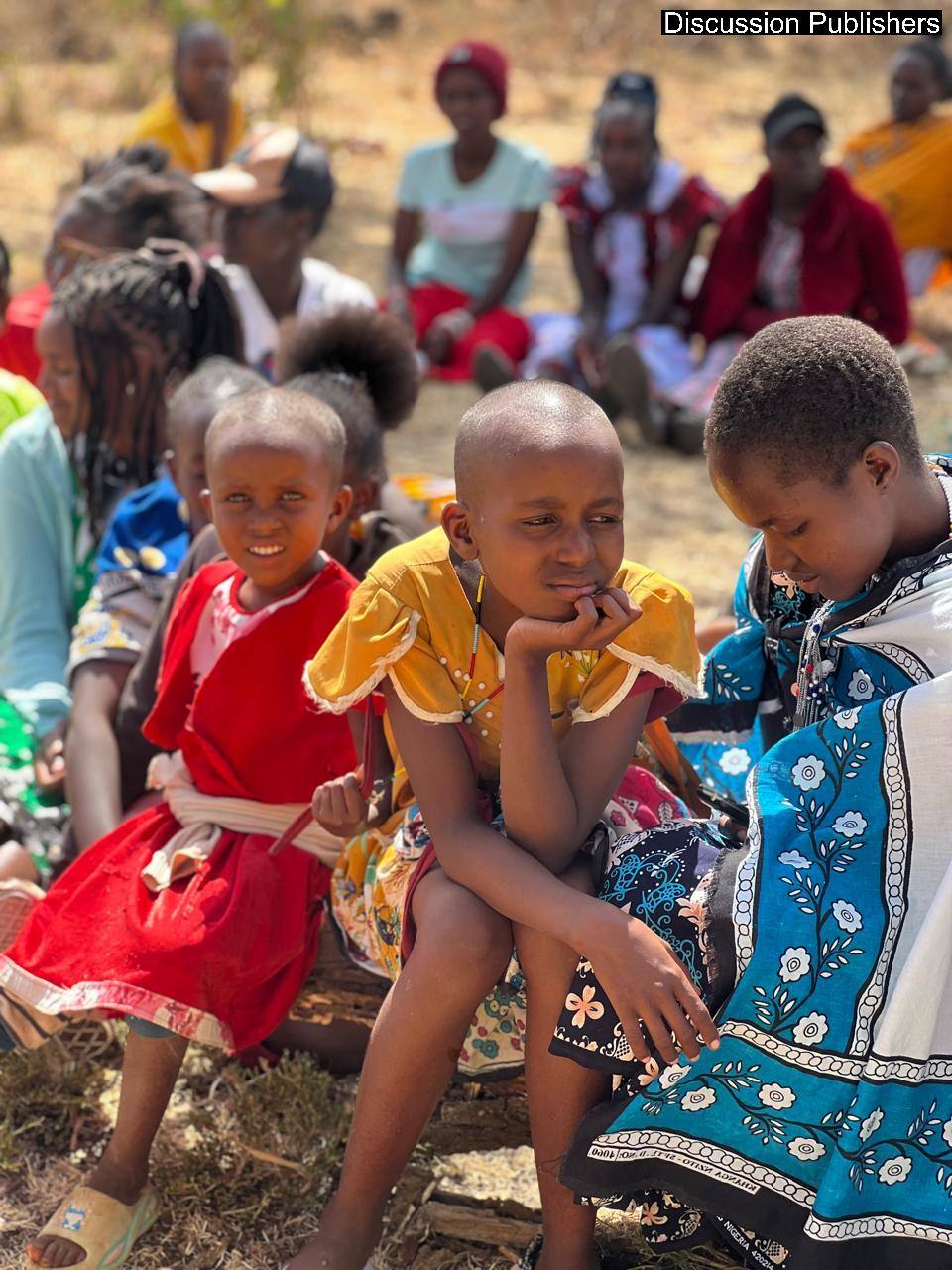
Meeting the Yaaku of Mukogodo Forest, a people the map forgot
Sieku, Dol Dol, Mukogodo Forest, Laikipia