Meeting the Yaaku of Mukogodo Forest, a people the map forgot
· Sieku, Dol Dol, Mukogodo Forest, Laikipia
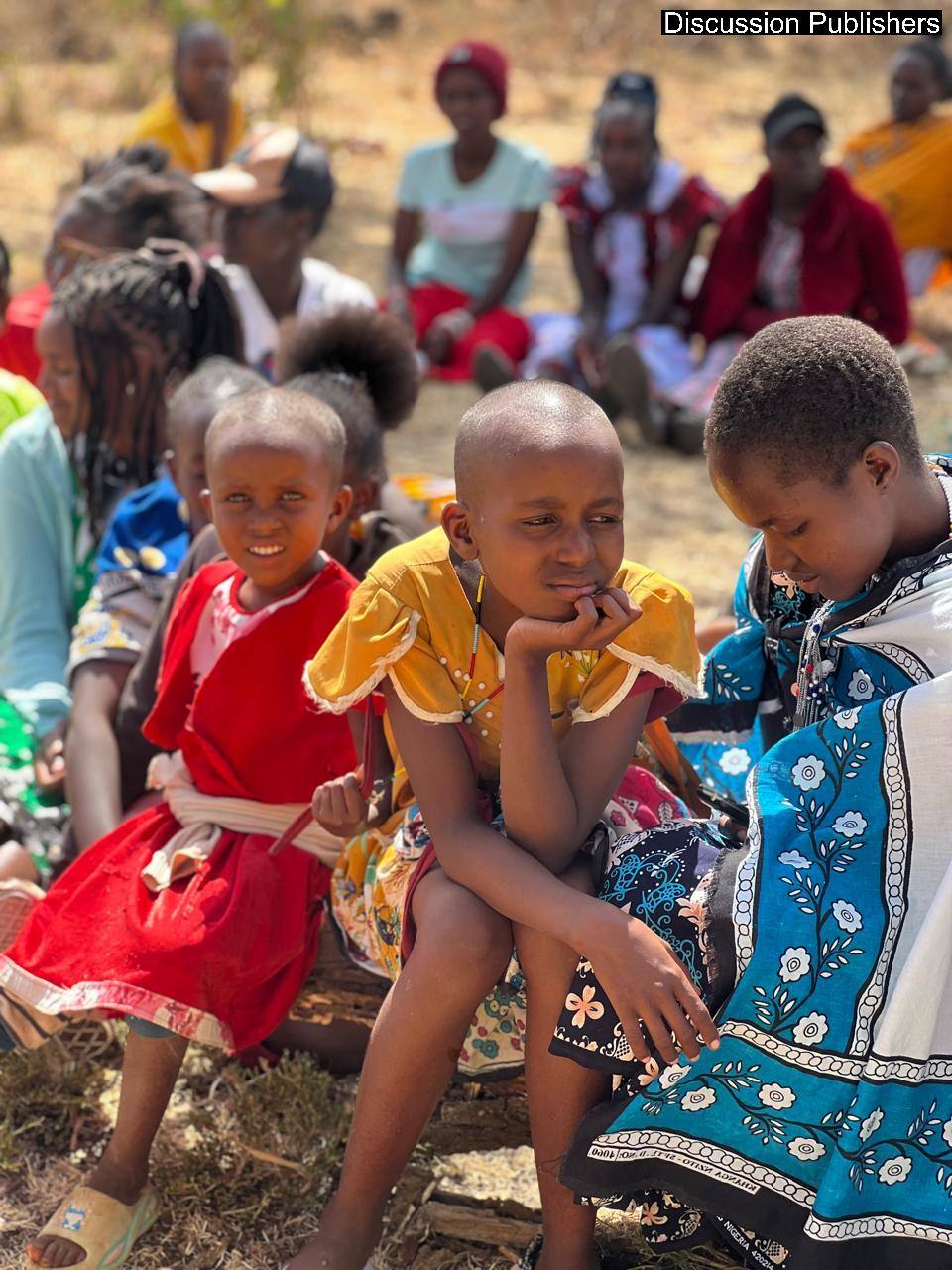
In Sieku, Dol Dol, on the edge of Mukogodo Forest, Utu Heritage sat with the Yaaku — hunter-gatherers and beekeepers whose language, land and legal existence are all being squeezed at once.
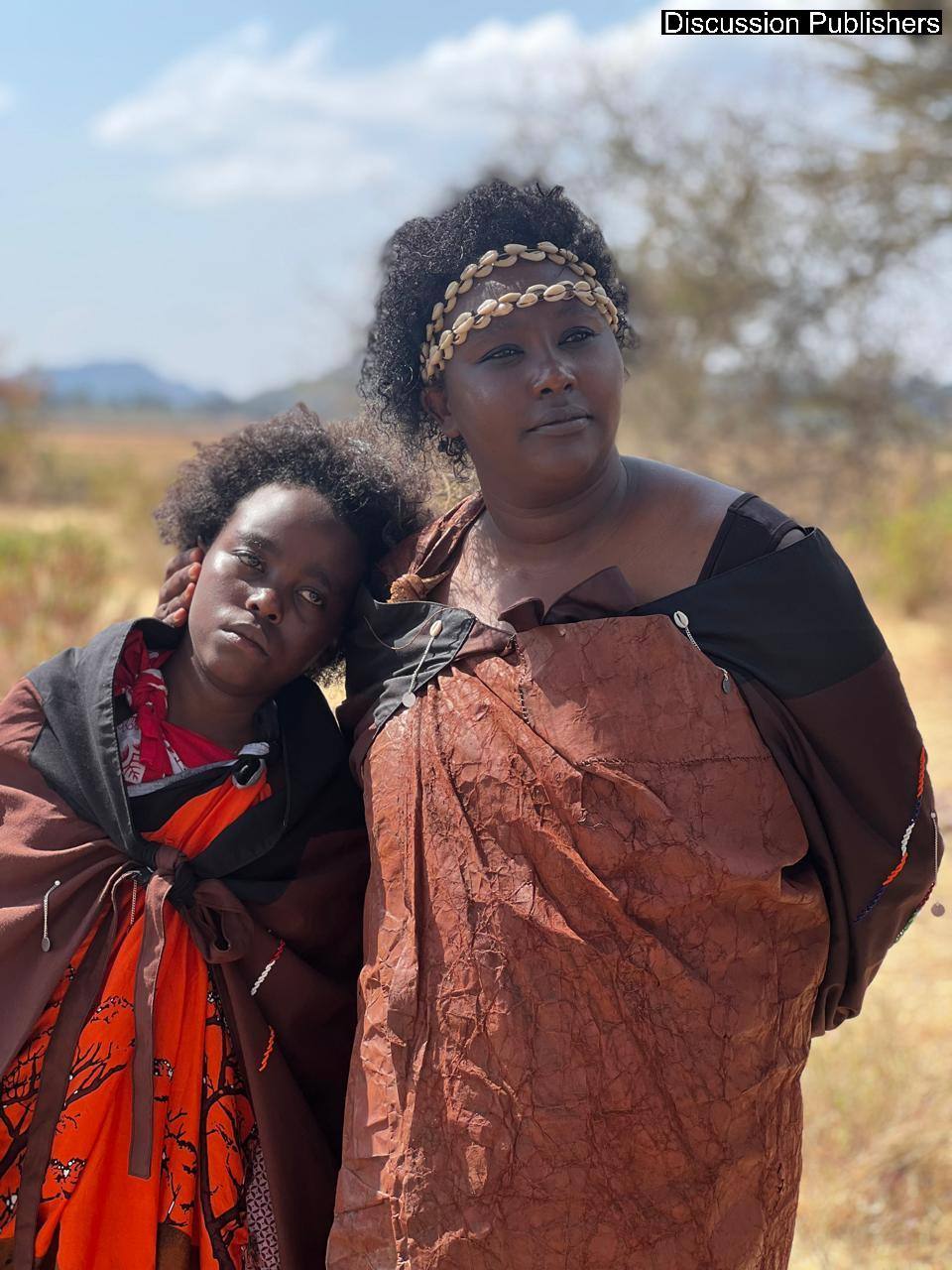
The Yaaku are one of Kenya's smallest and least protected communities. Their home is Mukogodo Forest in Laikipia, and their inheritance is a forest economy built on bees, wild foods, medicinal plants and an intimate knowledge of where water sits in a dry landscape.
For a century that inheritance has been under pressure from assimilation. Yaaku households adopted Maasai language, dress and livestock economies, first as survival strategy and then as default. Today the community is widely counted as Maasai in records that decide who gets recognised, funded and consulted.
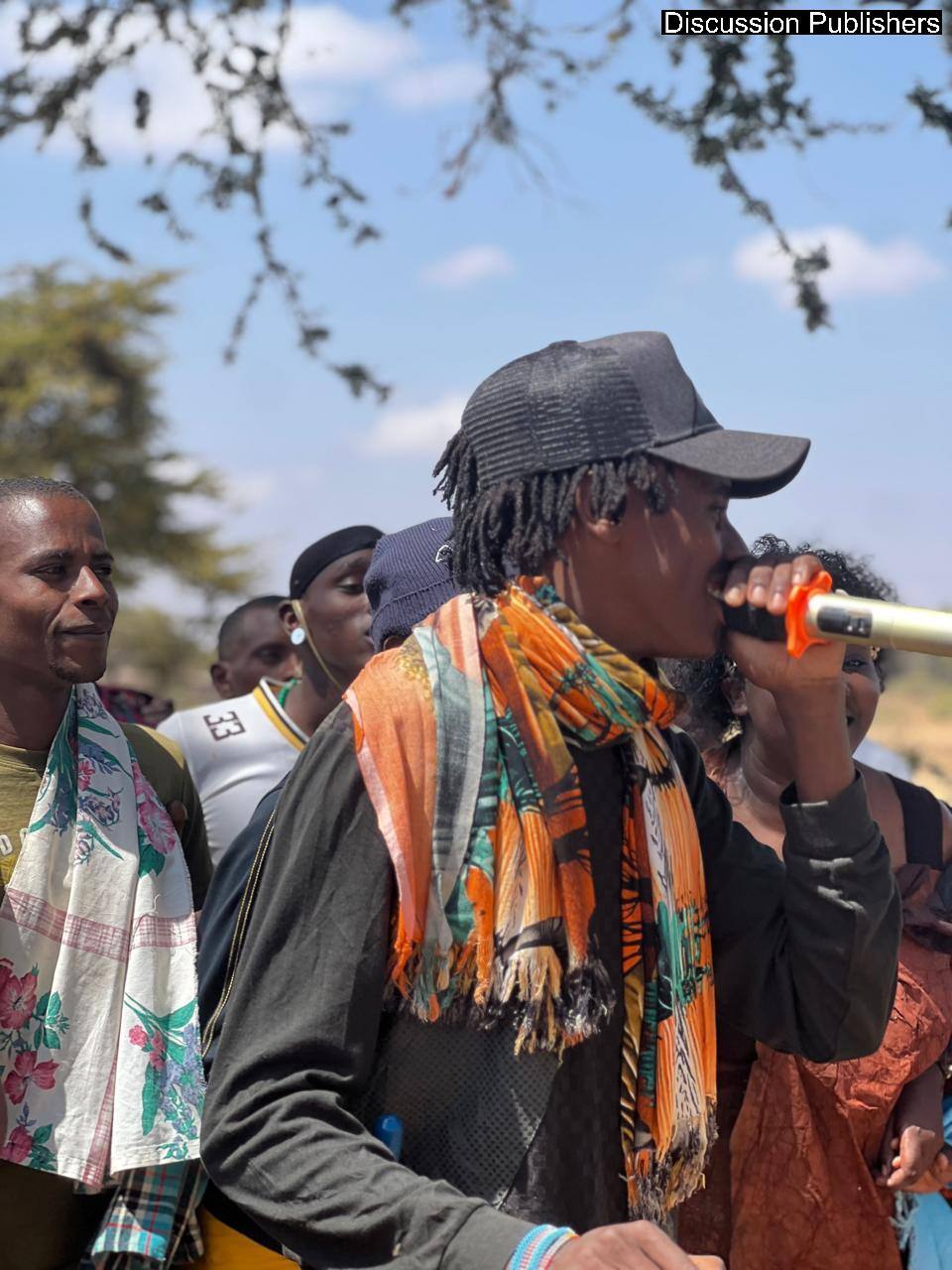
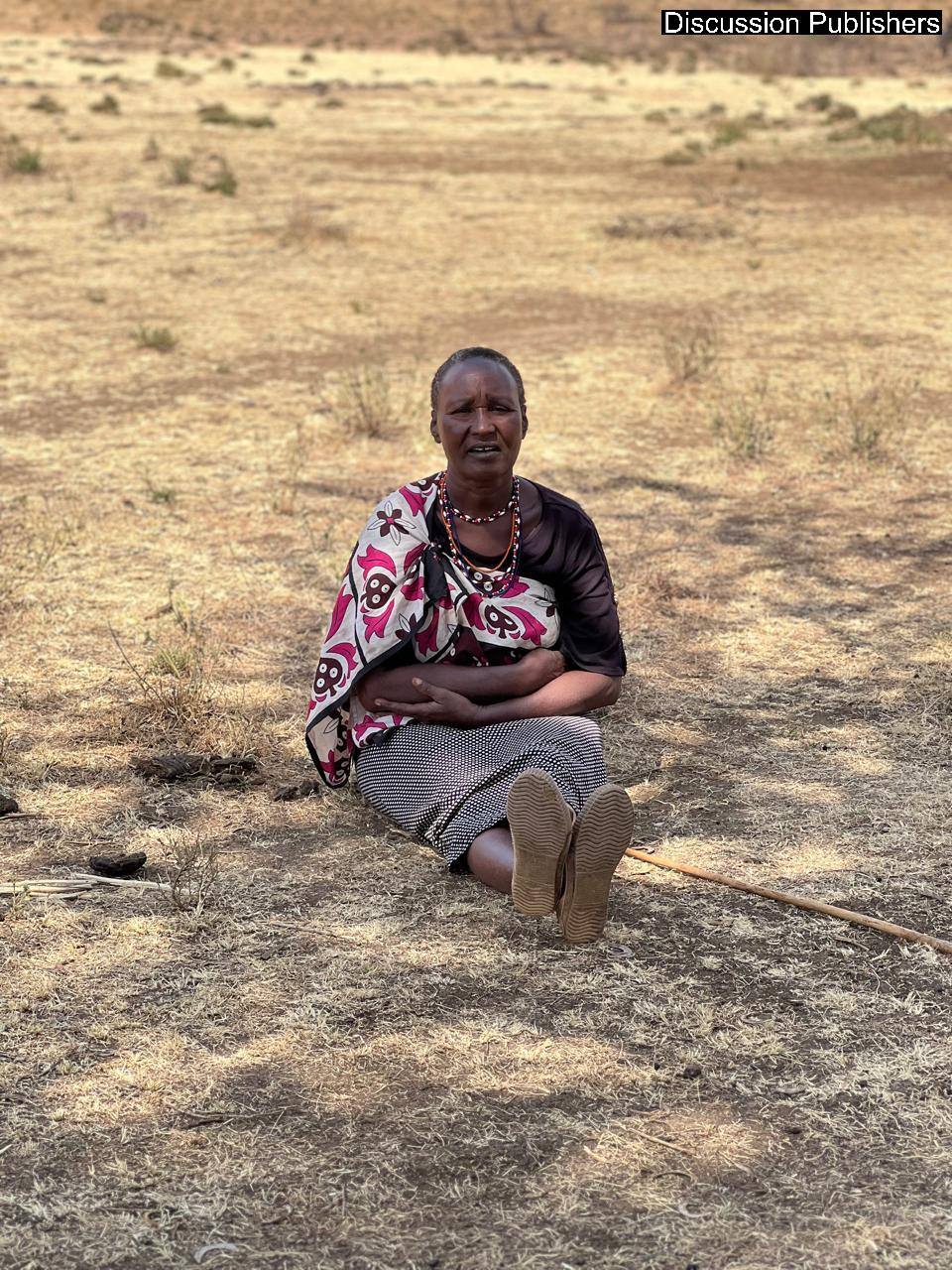
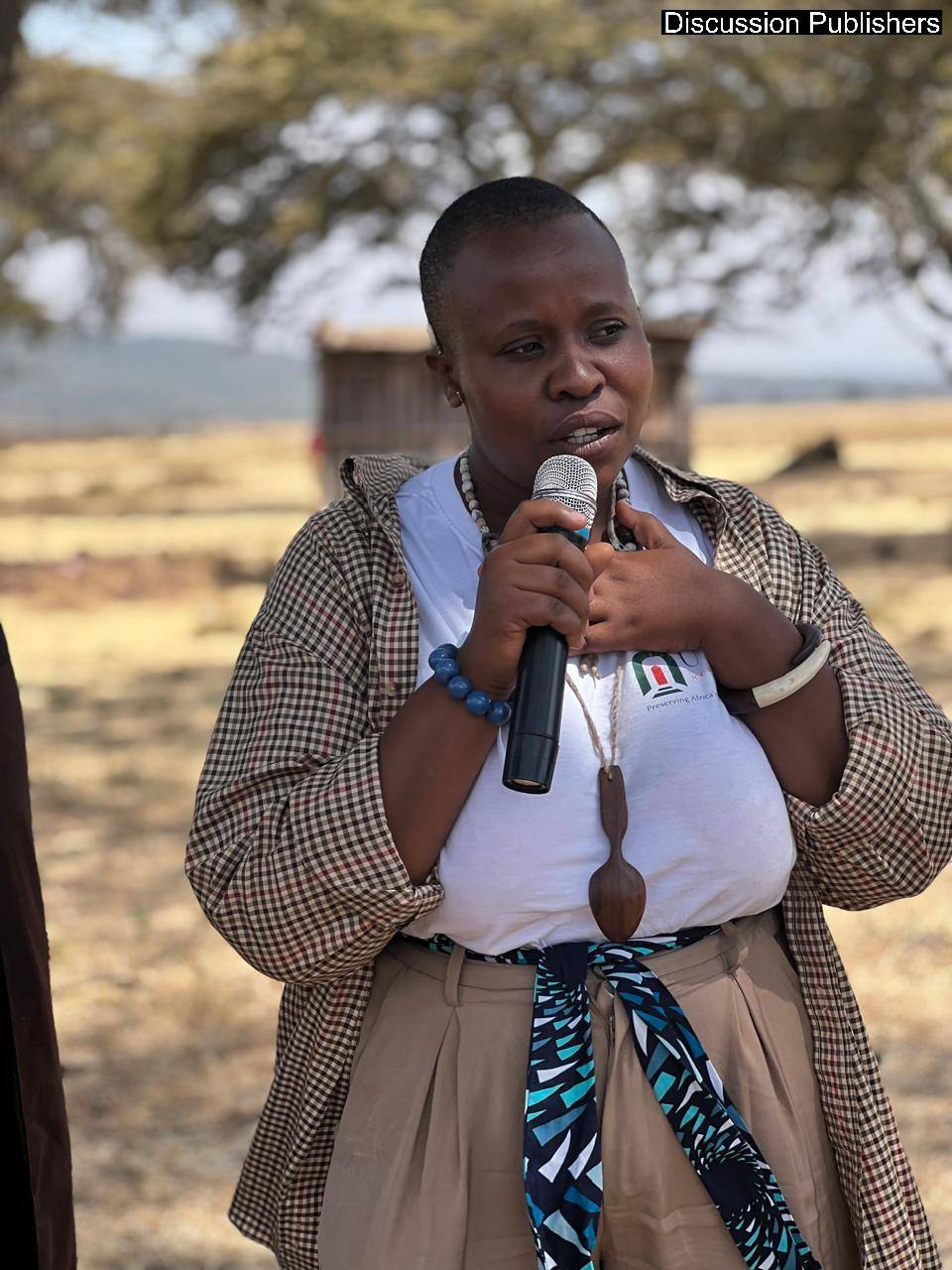
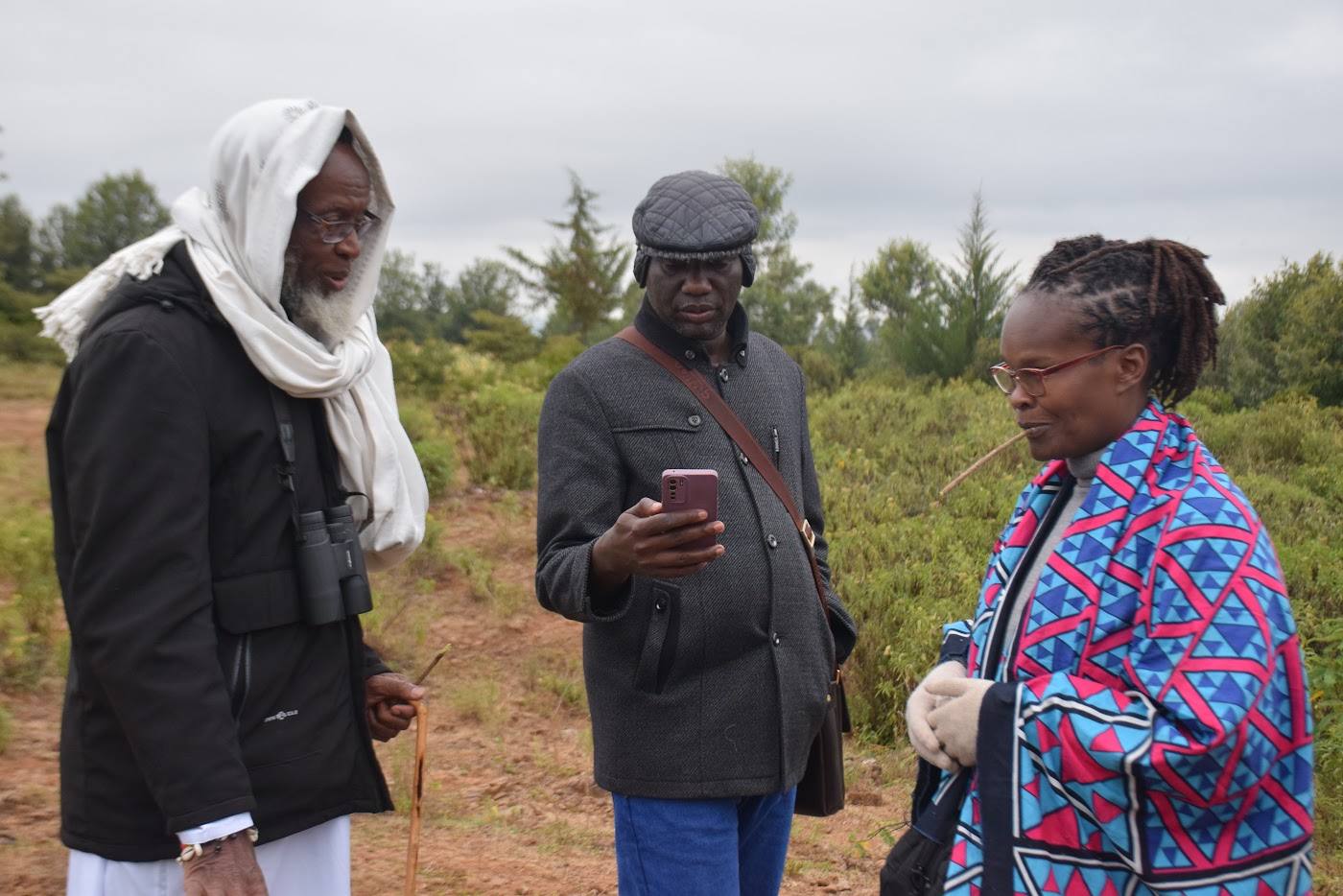
The forum in Sieku ran the whole day under the trees. Elders spoke about the years when Yaakunte was still the language of the homestead. Women spoke about honey, water and the cost of walking. Young people spoke about identity documents that name them as something they are not, and about schools where nothing they know from the forest counts as knowledge.
Utu Heritage came to listen and to record with consent — audio testimony, cultural practice, songs, and the community's own statement of priorities. Nothing was framed as rescue. The Yaaku are not asking to be saved; they are asking to be recognised as the custodians of a forest they have never stopped protecting.
The delegation left with three community-set priorities: documentation and revival of Yaakunte, secure recognition of Yaaku rights in and around Mukogodo Forest, and support for the beekeeping economy that makes forest protection economically rational for households.
“We did not lose our forest by leaving it. We are losing it while standing in it.”
Coverage of Utu Heritage stories by African Heritage News (ahnews.co.ke), an arm of Discussion Publishers (discussionpublishers.com), who also sponsor this documentation work.
From the same field visit
More stories
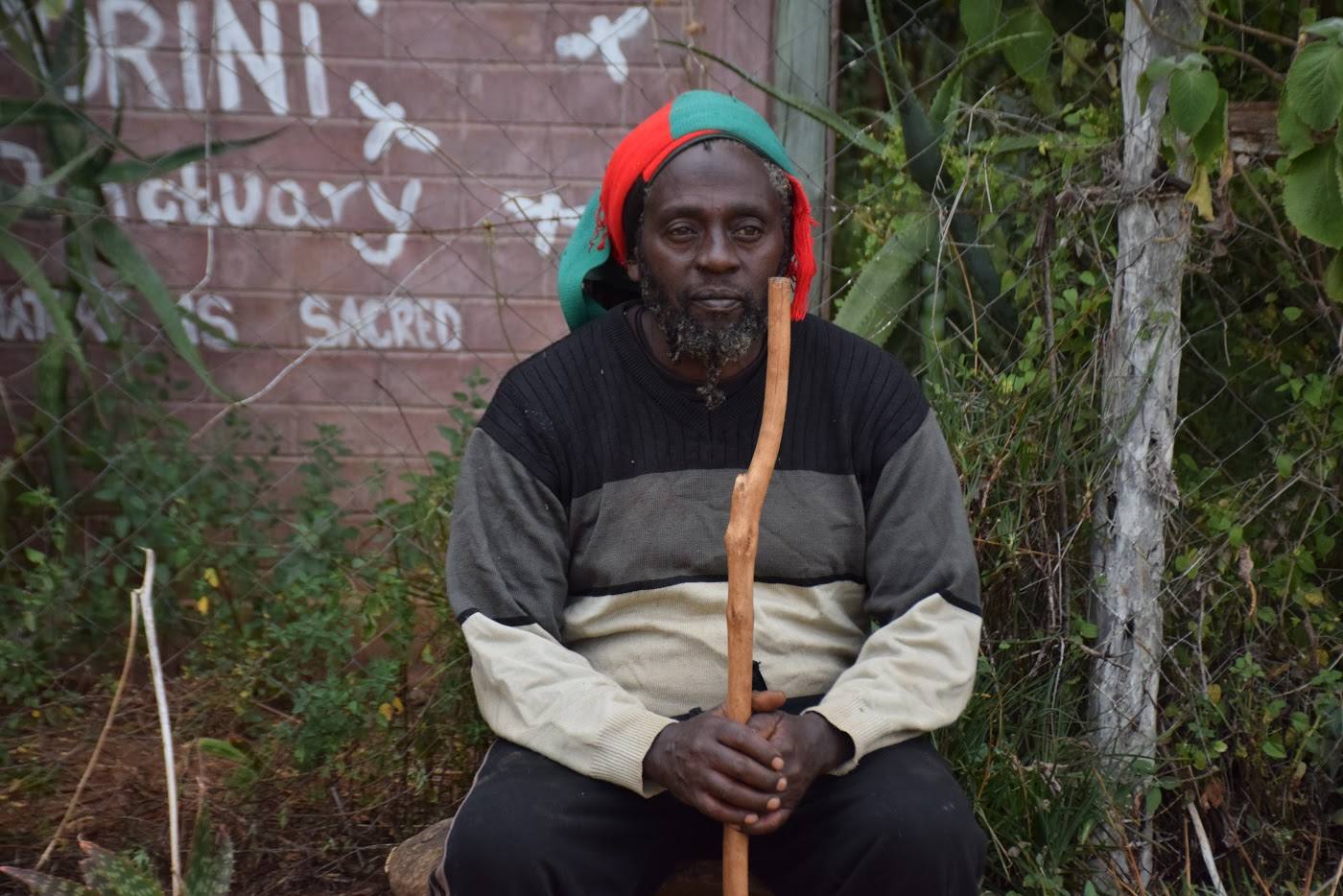
Inside Porini Sanctuary: the land people still call sacred
Porini Sanctuary, Murangai, Nanyuki
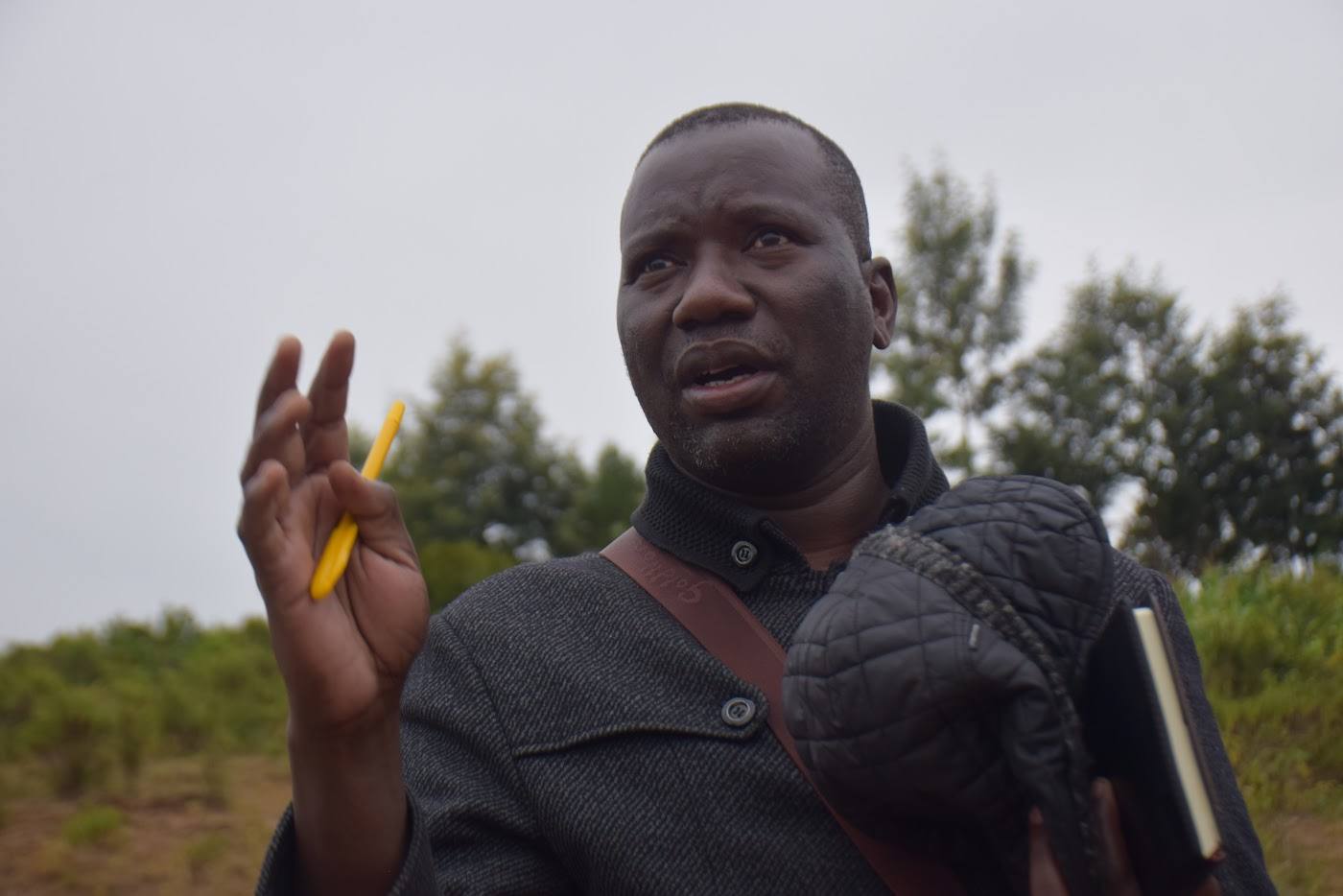
The river that stopped coming back: Murangai River and the flower farms
Murangai River, Nanyuki
Elders, researchers and youth read one landscape at Porini
Porini Sanctuary, Nanyuki