
Bees, forest and title deeds: the fight for Mukogodo
· Mukogodo Forest, Laikipia
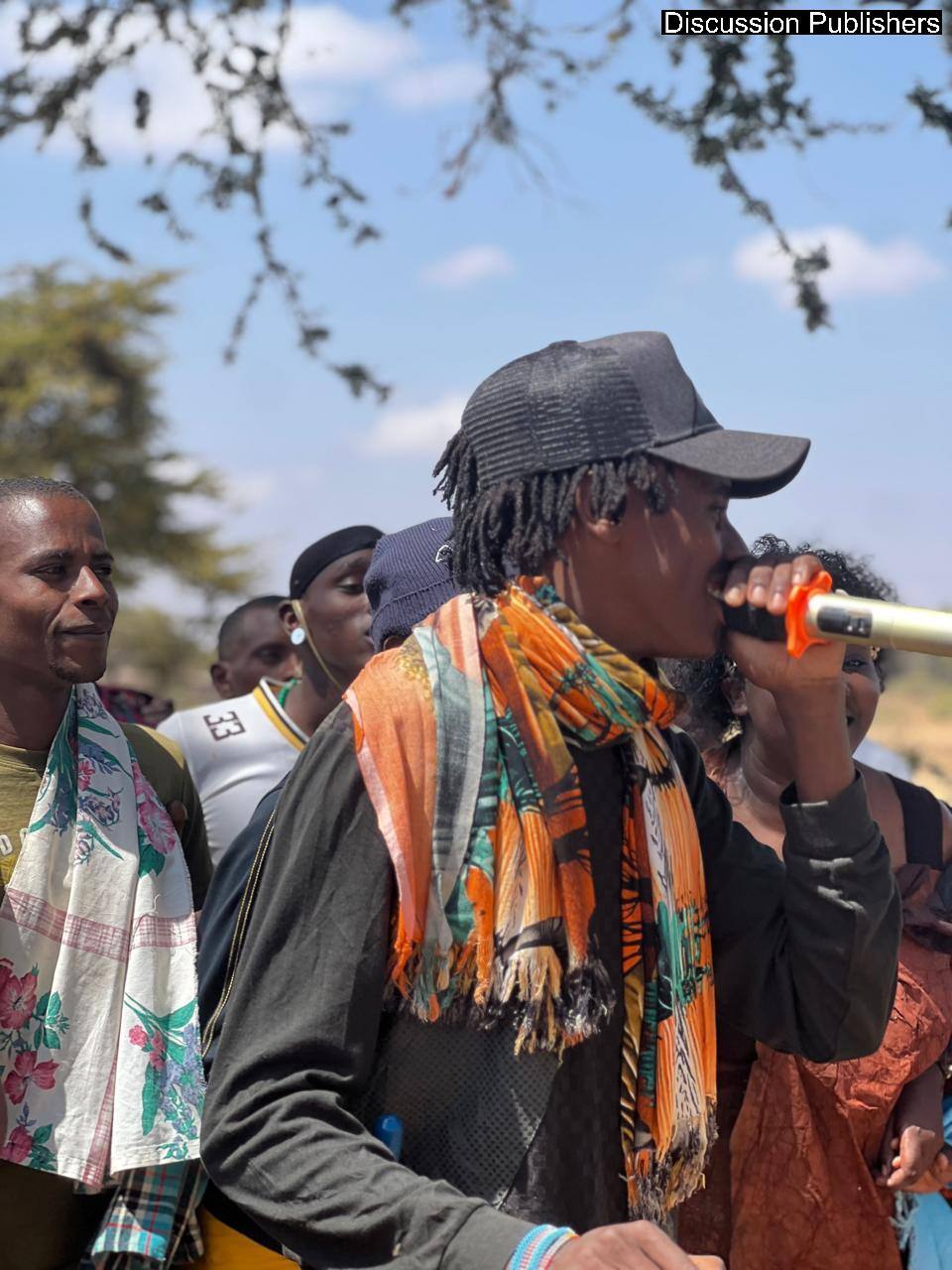
The Yaaku keep bees, and bees keep Mukogodo. That equation is what land grabbing and administrative erasure now threaten.
Yaaku beekeeping is old, precise and conservation-shaped. Hives are placed in specific tree species, at specific heights, harvested at specific seasons. A beekeeping household has a direct material stake in a standing, flowering, unburned forest — which is why Mukogodo remained one of Laikipia's better-preserved dryland forests.
That logic is being broken from two directions. Land pressure — subdivision, fencing, encroachment and allocation of land the community regards as theirs — cuts households off from hive sites and water. At the same time, being counted administratively as Maasai rather than Yaaku means the community's forest claims are made on someone else's behalf.
Community members told the team about hives lost to clearing, access routes closed, and consultations they learned about after decisions were taken. Younger men described leaving beekeeping for casual labour because the returns no longer justify the walk.
Utu Heritage's response links heritage documentation to organising: record the customary tenure and hive geography with the elders, strengthen Community Forest Association participation so the Yaaku sit at the table by right, and rebuild the honey value chain so that protecting Mukogodo remains the most profitable option available to a household.
Forest protection that ignores the economics of the people inside the forest is a press release. Protection that pays is policy.
Coverage of Utu Heritage stories by African Heritage News (ahnews.co.ke), an arm of Discussion Publishers (discussionpublishers.com), who also sponsor this documentation work.
From the same field visit

More stories
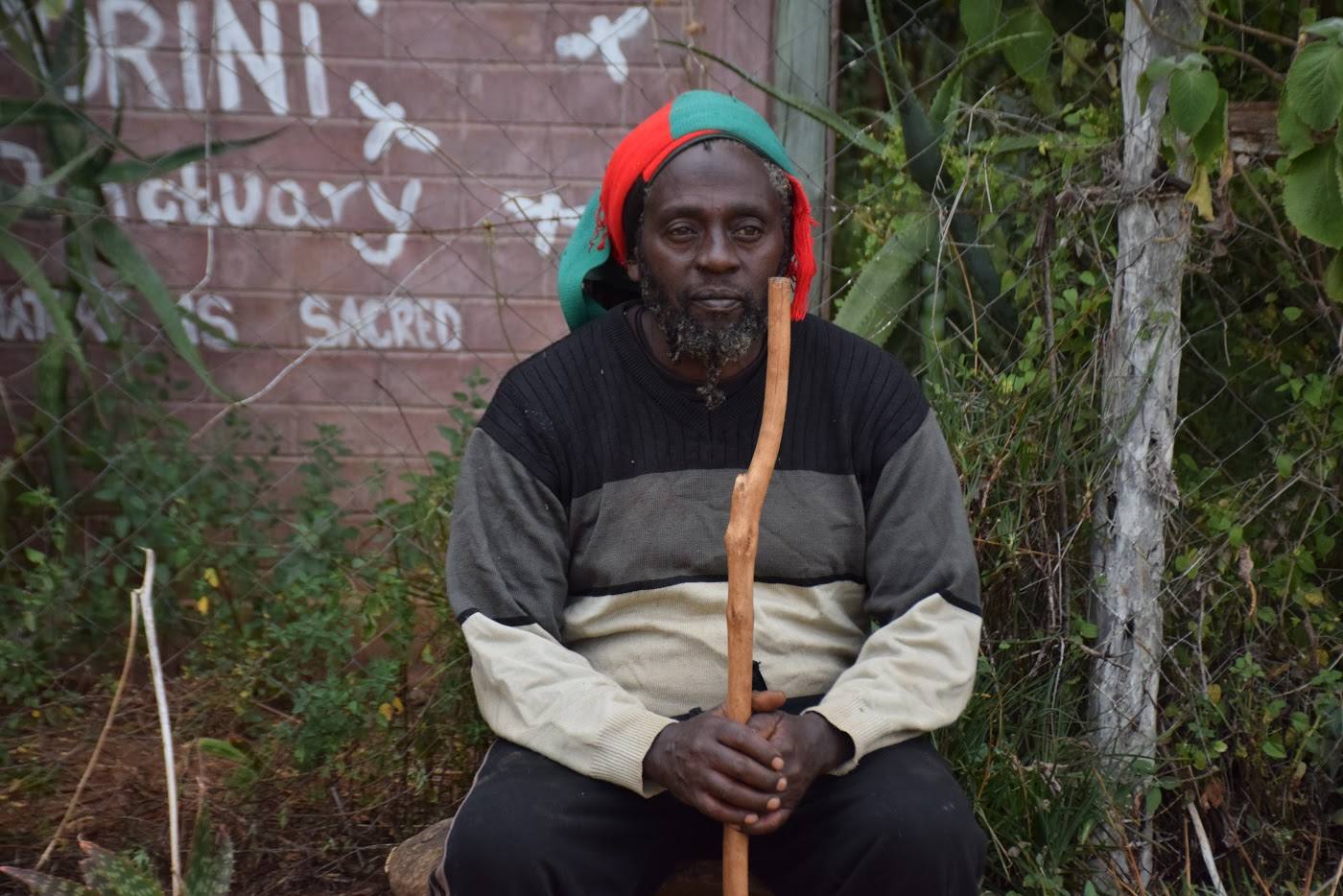
Inside Porini Sanctuary: the land people still call sacred
Porini Sanctuary, Murangai, Nanyuki
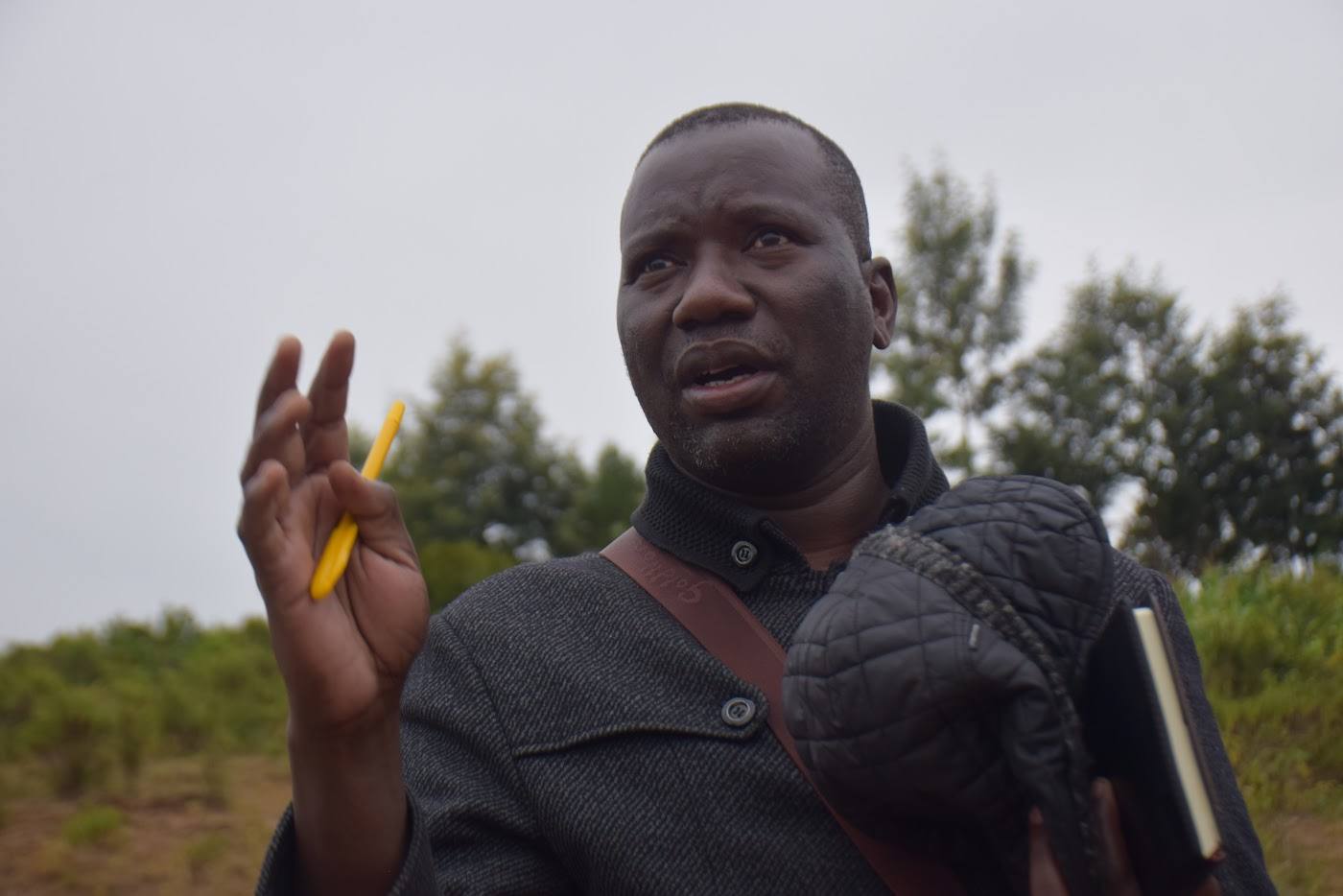
The river that stopped coming back: Murangai River and the flower farms
Murangai River, Nanyuki
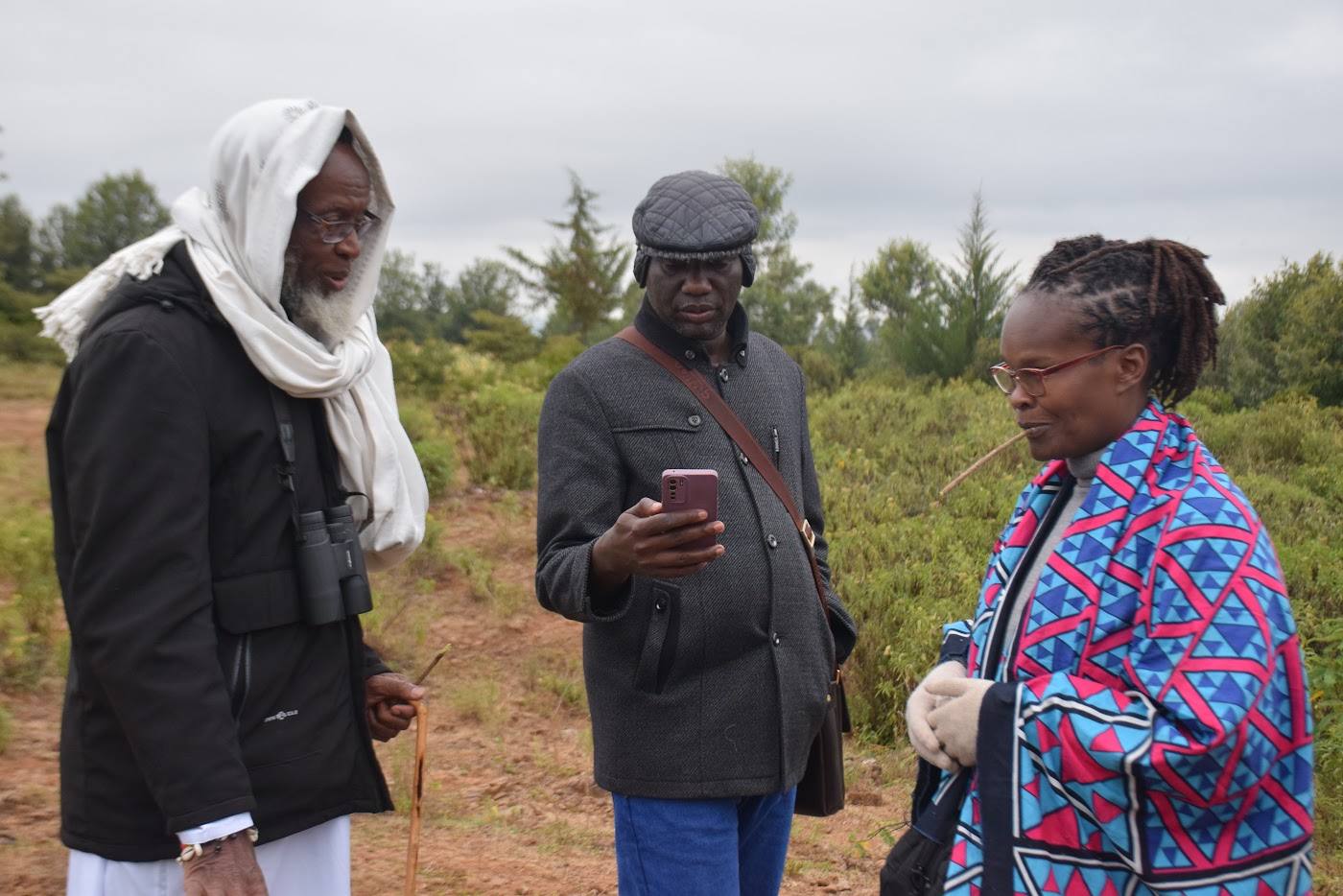
Elders, researchers and youth read one landscape at Porini
Porini Sanctuary, Nanyuki