Yaakunte: bringing a language back from the edge of silence
· Dol Dol, Laikipia
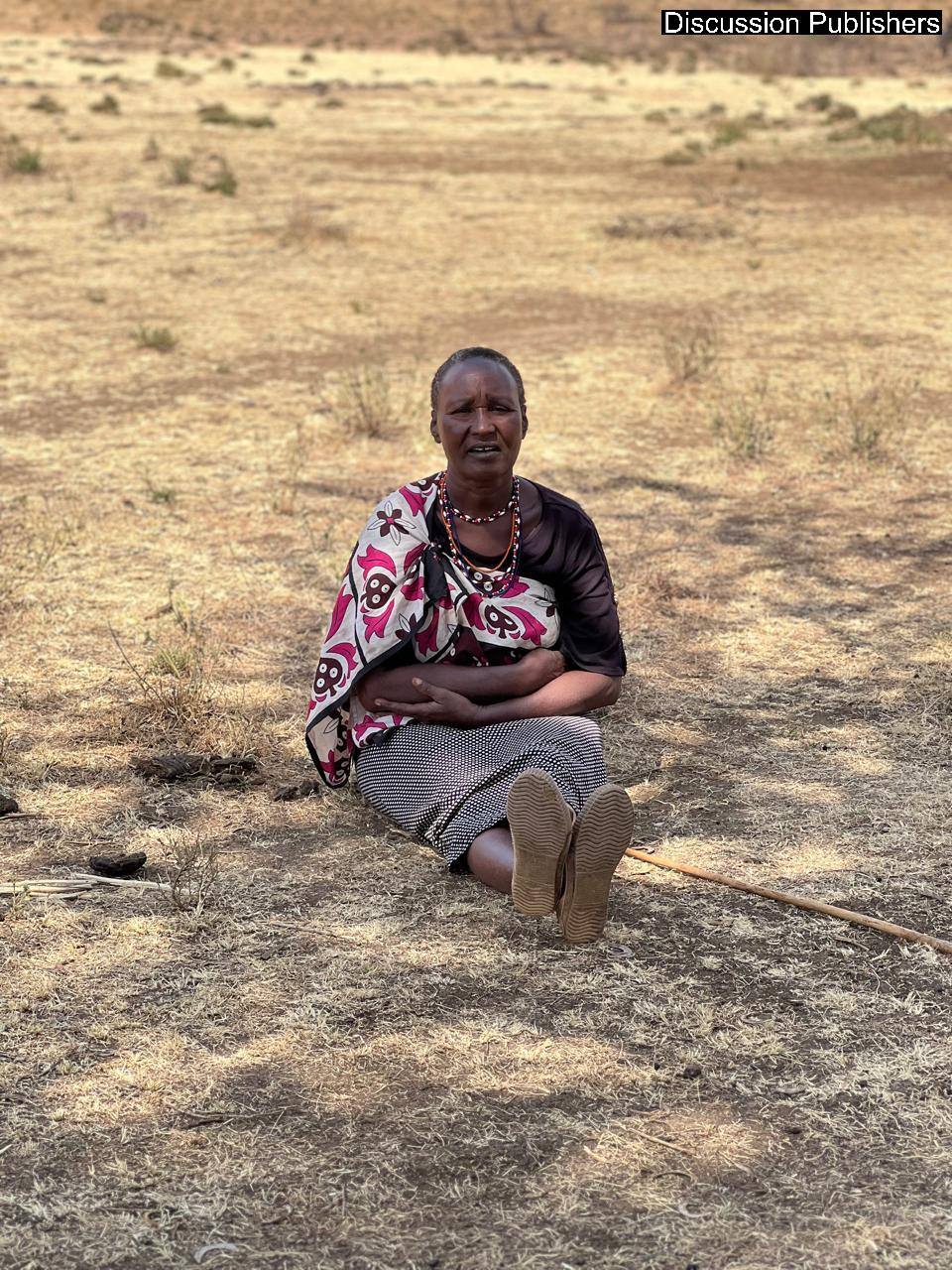
Yaakunte, the language of the Yaaku, survives with a handful of fluent elders. Every funeral in Dol Dol is also a linguistic event.
A language is not vocabulary. Yaakunte carries the classification of a forest — names for bee species, honey seasons, tree flowering cycles, water indicators, medicinal preparations. When the last fluent speakers go, Kenya does not merely lose words; it loses a functioning ecological science.
The community's own assessment is stark. Fluency now rests with a small group of elders, most of them advanced in age. Younger generations speak Maa or Kiswahili, with a few dozen Yaakunte terms held as heritage rather than used as speech.
Revival is possible, and the Yaaku have already begun. Community members have worked on wordlists, teaching sessions and cultural days. What has been missing is sustained recording capacity, storage that does not depend on one person's phone, and a curriculum route into local schools.
Utu Heritage's language and cultural revival programme is designed for exactly this gap: recording elders on decent audio, building a community-owned archive, producing teaching materials with the elders as authors, and running intergenerational sessions where children learn from speakers rather than from documents.
The measure of success is simple and unsentimental — children using Yaakunte words for real things, in front of the people who taught them.
Coverage of Utu Heritage stories by African Heritage News (ahnews.co.ke), an arm of Discussion Publishers (discussionpublishers.com), who also sponsor this documentation work.
From the same field visit
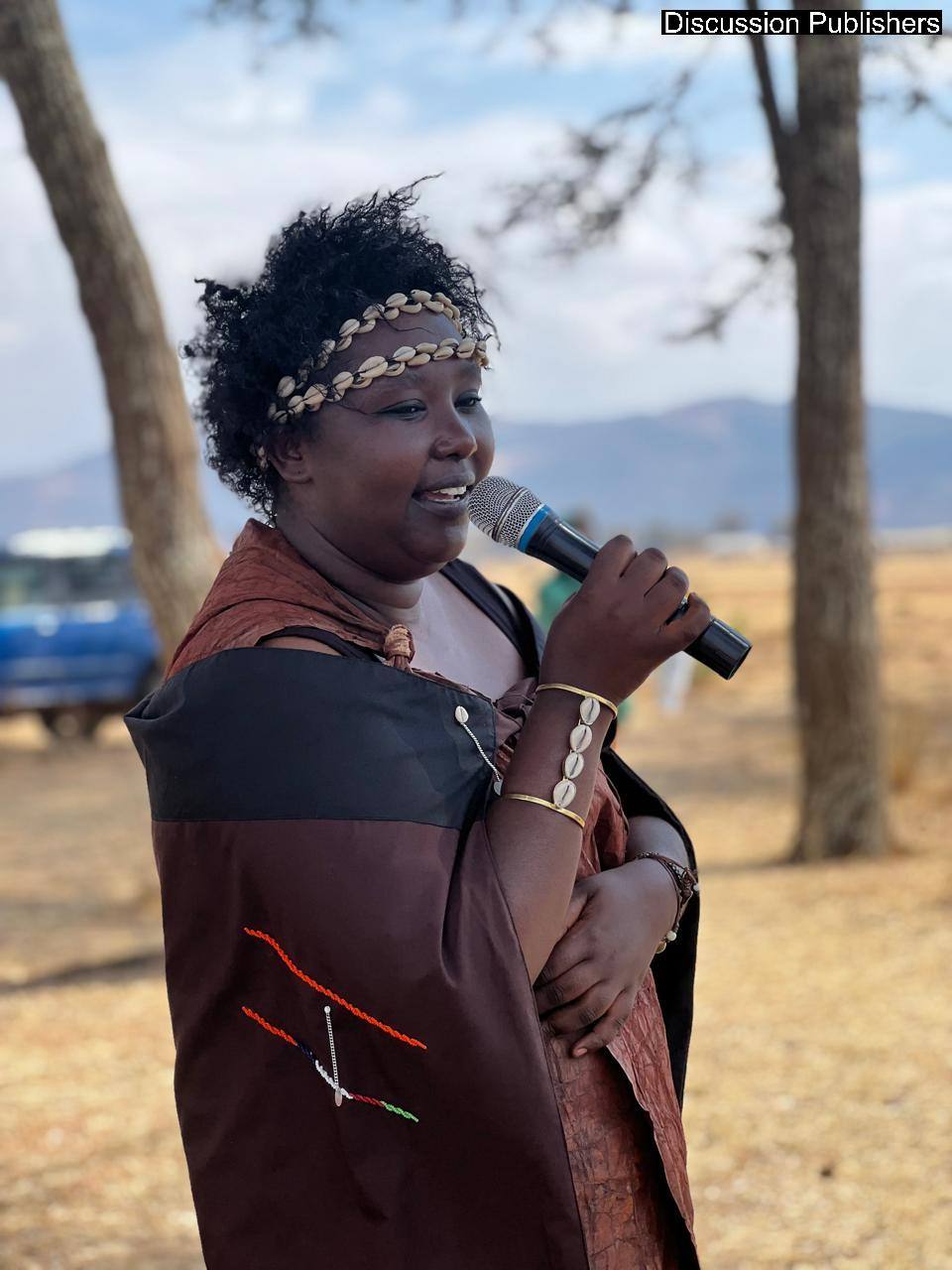
More stories
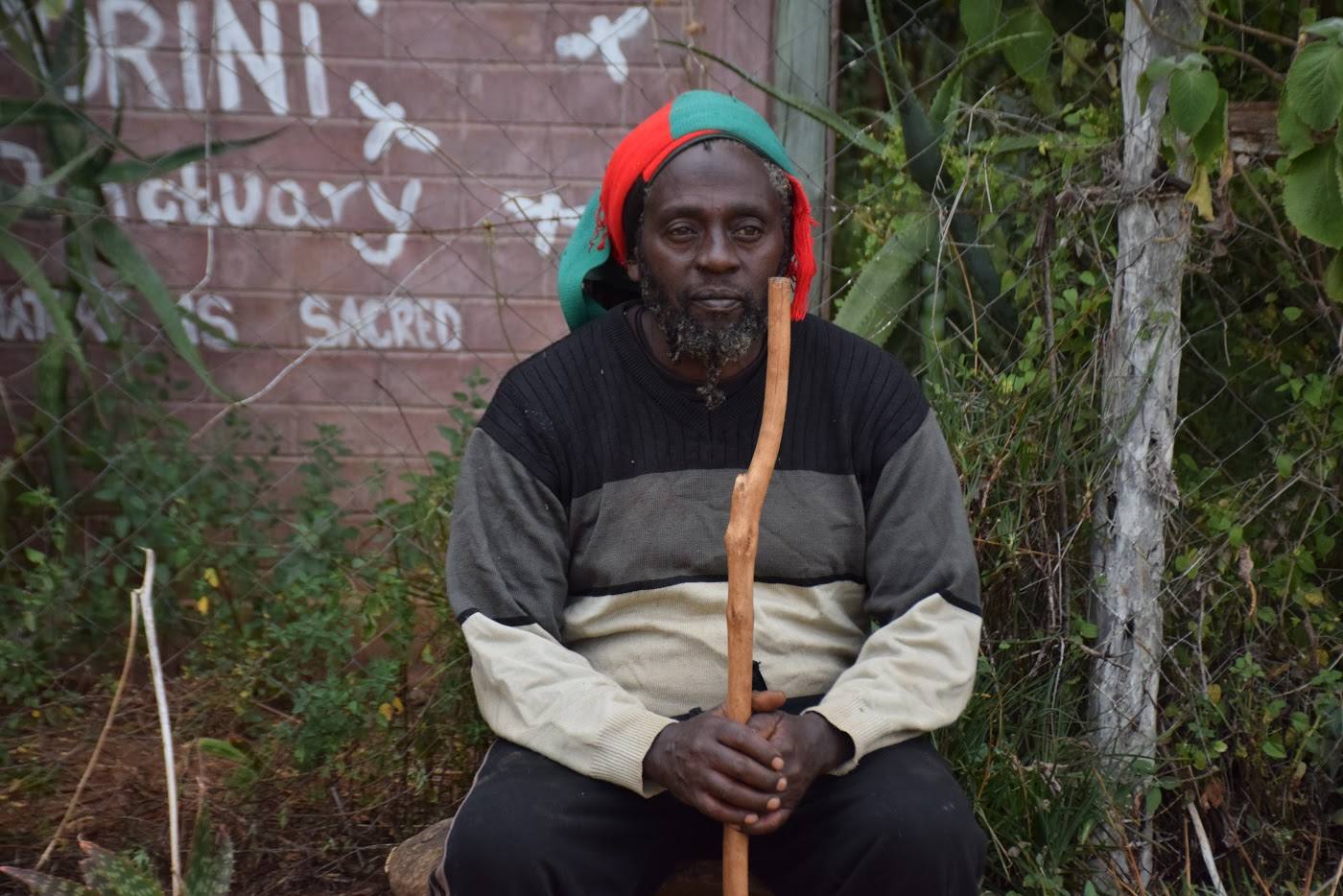
Inside Porini Sanctuary: the land people still call sacred
Porini Sanctuary, Murangai, Nanyuki
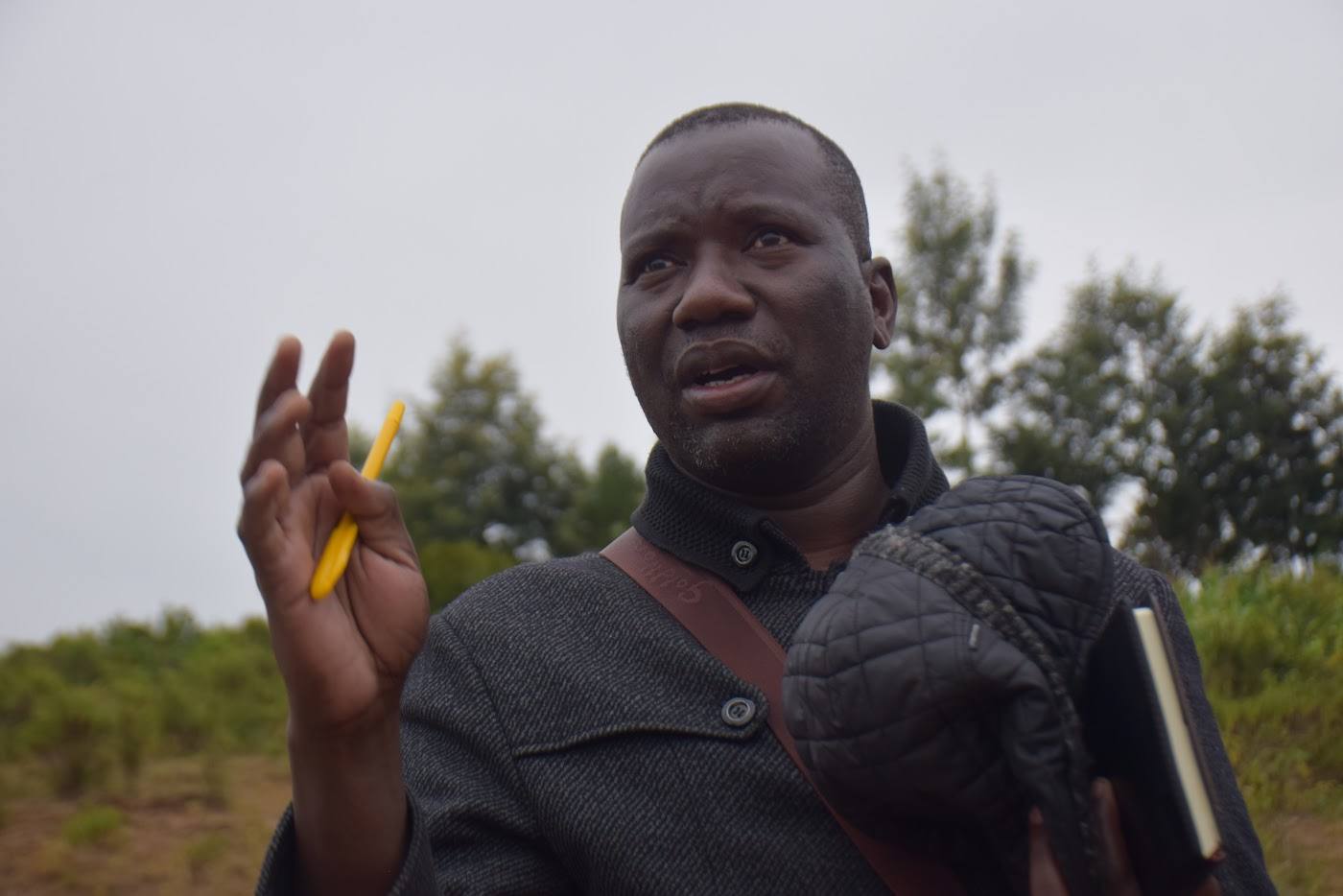
The river that stopped coming back: Murangai River and the flower farms
Murangai River, Nanyuki
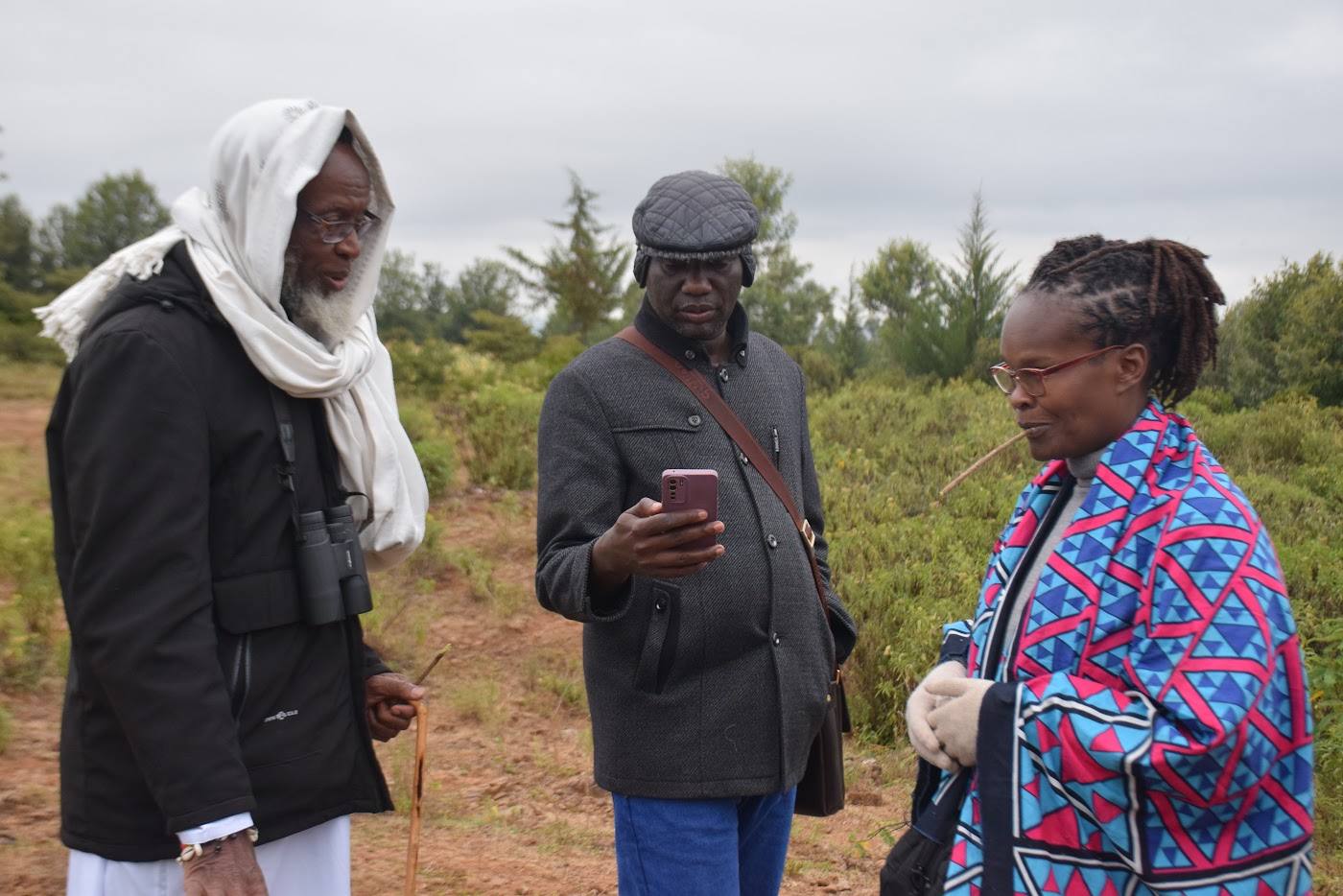
Elders, researchers and youth read one landscape at Porini
Porini Sanctuary, Nanyuki